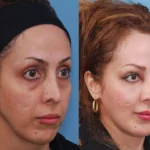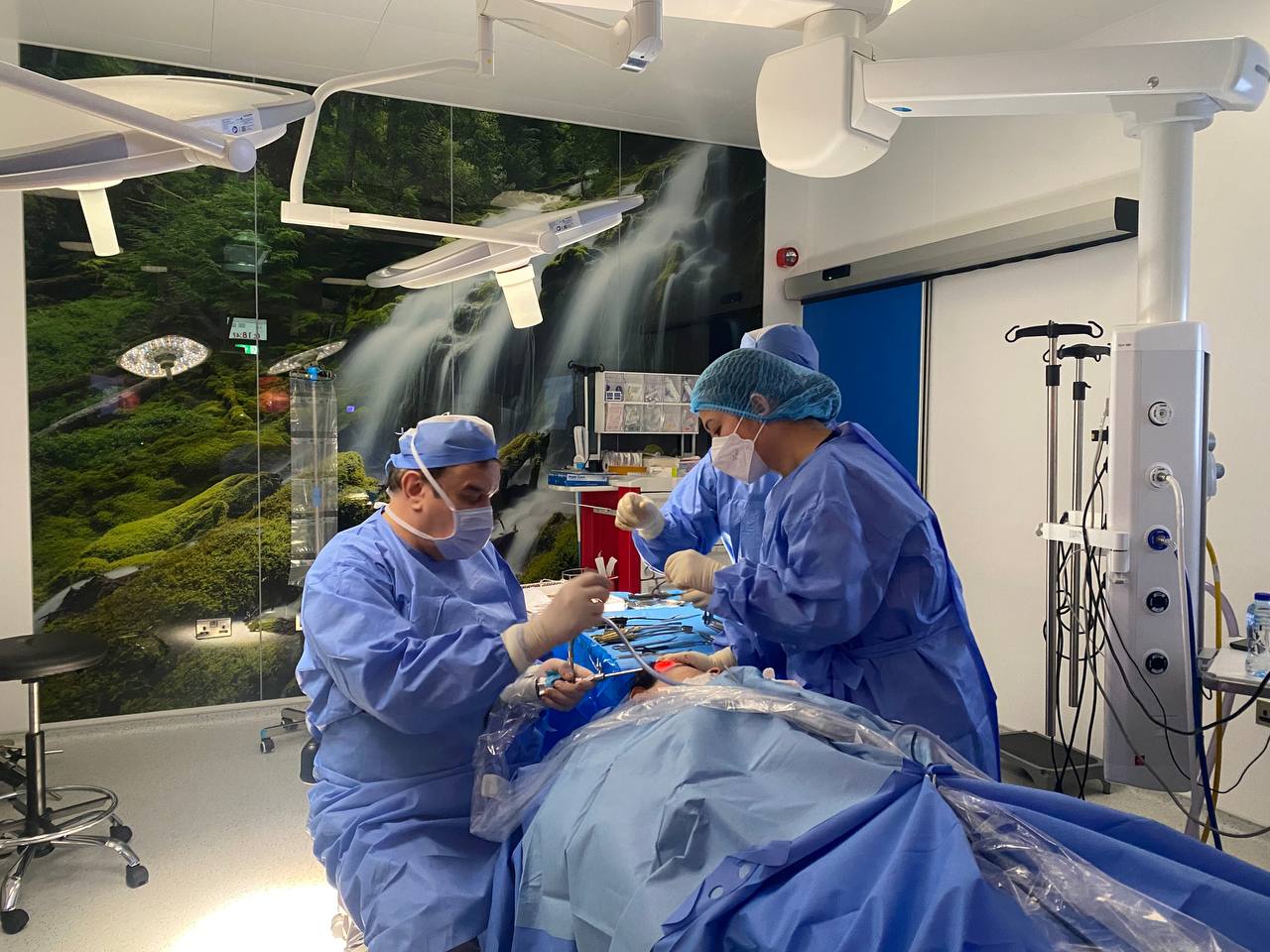
A forehead lift isn’t just about smoothing a few lines—it’s about resetting the entire mood of your face. People don’t always realize how much a heavy brow can make them look tired, annoyed, or older than they feel. Once the procedure is done, though, the real journey begins: recovery. And that’s where expectations matter more than anything else.
Let’s get into what actually happens after a forehead lift—no sugarcoating, no vague promises. Just the real experience.
The First 24–48 Hours: Swelling, Tightness, and Rest
Right after surgery, you’re not walking out looking like a refreshed version of yourself. Not even close.
Your forehead will feel tight. Not “a little snug”—more like someone gently stretched the skin and forgot to tell it to relax again. This is completely normal. There’s also swelling, and sometimes mild bruising around the eyes. Gravity doesn’t care where the surgery happened, so fluids tend to travel downward.
You’ll likely have a bandage or dressing around your head, and your surgeon will recommend keeping your head elevated—even while sleeping. That’s not a suggestion. It actually helps reduce swelling faster.
Pain? Usually manageable. Most patients describe it as discomfort rather than sharp pain. Painkillers take care of the rest.
Short version: you’ll feel a bit off, look a bit worse before you look better, and you’ll need to rest. A lot.
Days 3–7: Bruising Peaks, Then Starts to Fade
Here’s where things get interesting.
Swelling and bruising typically peak around day 3 or 4. If you glance in the mirror and think, “Did I make a mistake?”—relax. This phase is temporary, and almost everyone goes through that moment.
The bruising might show up around your eyes, giving you that “slept badly for a week” look. Again, normal.
Stitches or staples (if used) are usually removed within this period, depending on the surgical method. Once those are out, things start feeling slightly more comfortable.
You’ll still need to avoid strenuous activity. No gym, no heavy lifting, and definitely no “just a quick run.” Your body is healing, and pushing it now only delays results.
Week 2: You Start Looking Human Again
This is the turning point.
Swelling begins to go down significantly. Bruises fade into yellowish tones and then disappear. You’ll still notice some puffiness, but it’s no longer the first thing people see when they look at you.
Most patients feel comfortable stepping out socially around this time. Maybe not for a big event—but for a casual outing? Sure.
You’ll also notice your forehead looking smoother, and your brows sitting higher. It’s subtle at first, but it’s there.
One thing that surprises people: numbness.
Parts of your forehead or scalp may feel numb or “asleep.” It’s not permanent. Nerves take time to wake up again. Sometimes weeks. Sometimes months.
Annoying? Yes.
Normal? Also yes.
Weeks 3–4: Back to Routine (Mostly)
By now, you’re easing back into normal life.
Work? No problem.
Light exercise? Usually allowed, but your surgeon will guide you.
Heavy workouts? Still take it easy.
The incision lines (whether hidden in the hairline or scalp) begin to heal and fade. They won’t disappear overnight, but they’ll become less noticeable with time.
You’ll also feel less tightness in your forehead. That stretched sensation starts to relax, and your facial expressions begin to feel natural again.
This is when people around you might start noticing something’s different—but they can’t quite put their finger on it.
That’s the sweet spot.
Months 2–3: The Real Results Show Up
Now we’re talking.
By this stage, most of the swelling is gone. What you see in the mirror is very close to your final result.
Your forehead looks smoother, your brows are lifted, and your overall expression feels more relaxed and awake. That constant “tired” look? Gone.
Scar lines continue to fade, especially if you’re taking care of your skin and following post-op advice.
Numbness should also be improving. Sensation gradually returns, though it can vary from person to person.
Here’s the kicker—this is when you actually start enjoying the decision you made.
Emotional Side of Recovery: The Part Nobody Talks About
Let’s be honest for a second.
Cosmetic surgery isn’t just physical. There’s a mental adjustment too.
Right after surgery, when swelling is at its worst, it’s common to feel a bit anxious. Some people even regret it briefly. Not because something went wrong—but because healing takes time, and we’re all impatient.
Then slowly, your reflection changes.
You don’t look “different” in a dramatic way. You just look…better. Fresher. More like how you feel inside.
That shift can be surprisingly emotional.
Give yourself time to adjust. It’s part of the process.
Common Side Effects (and Why They’re Not a Big Deal)
A few things might catch you off guard if you’re not prepared:
Swelling
It lingers longer than you’d expect. Even when it’s not obvious to others, you might still notice it. Completely normal.
Numbness
As mentioned earlier, this can stick around for weeks or even months. It fades gradually.
Mild Asymmetry
Your face might not look perfectly balanced right away. Healing isn’t always symmetrical. It evens out over time.
Itching or Tingling
This is actually a good sign. It means nerves are healing.
Nothing here is unusual. Nothing here means something went wrong.
What You Should Avoid During Recovery
You don’t want to mess up a good result by being careless.
So here’s what to skip for a while:
- Heavy workouts
- Smoking (it slows healing—bad idea)
- Excess sun exposure (fresh skin + sun = trouble)
- Alcohol in the early days
- Touching or pressing the forehead too much
Basically, if it feels like it might stress your body or your face, just don’t do it.
Simple rule.
Tips to Speed Up Healing (Without Doing Anything Crazy)
You don’t need some magical trick. Just stick to basics:
Stay hydrated.
Eat properly—your body needs fuel to heal.
Sleep with your head elevated.
Follow your surgeon’s instructions like they’re gospel.
And be patient.
That last one matters the most.
Long-Term Results: What Stays and What Doesn’t
A forehead lift doesn’t stop aging. Nothing does.
But it does turn the clock back.
The results typically last for years. Your skin will still age naturally, but you’ll always be starting from a more lifted, smoother baseline.
Think of it like resetting the starting point—not freezing time.
And honestly? That’s more than enough for most people.
When to Call Your Surgeon
Most of recovery is smooth, but don’t ignore warning signs.
Reach out if you notice:
- Severe or increasing pain
- Unusual swelling or redness
- Signs of infection (fever, discharge)
- Sudden asymmetry that worsens
These are rare, but it’s always better to check than to guess.
Final Thoughts
A forehead lift isn’t an instant transformation—it’s a process.
The first few days can feel rough. The first week tests your patience. But then things shift. Gradually, quietly, your face starts reflecting what you’ve been missing: energy, openness, ease.
And one day, you catch your reflection without overthinking it.
That’s when you know it worked.
If you’re considering this procedure or preparing for recovery, the team at Blue Angel Poly Clinic focuses not just on the surgery itself—but on guiding you through every phase that comes after. Because the real result isn’t just what happens in the operating room.
It’s what you see in the mirror weeks later—and how it makes you feel walking out the door.