

Mommy Makeover
Detailed Procedure Information
Typically, the Mommy Makeover combines surgeries such as a tummy tuck (abdominoplasty), breast procedures including lifts, augmentations, or reductions, and liposuction targeting stubborn fat deposits in areas like the hips, thighs, arms, or waist.
Why Consider a Mommy Makeover?
Pregnancy often leads to stretched abdominal skin, weakened muscles, alterations in breast volume and shape, and fat accumulation in locations resistant to diet and exercise. If these changes affect your self-esteem or physical comfort, this comprehensive surgical approach might be suitable for you.
- Concerns over breast sagging, asymmetry, decreased fullness, nipple drooping, or stretched areolas.
- Disproportionately large breasts causing back pain or discomfort.
- Excess abdominal skin, sagging tummy, or persistent stretch marks.
- Fat deposits hanging over previous C-section scars.
- Localized fat pockets on the waist, hips, thighs, or arms unresponsive to lifestyle changes.
Benefits of Post-Pregnancy Body Contouring
- Flattening and tightening the abdominal area.
- Restoration of youthful breast shape and positioning.
- Elimination of surplus skin and resistant fat deposits.
- Improvement in overall body silhouette and proportion.
- Enhanced fit in clothing and swimwear.
- Boost in self-confidence and body image.
Preoperative Considerations
It’s critical to discuss your candidacy with a certified aesthetic plastic surgeon. Generally, candidates should:
- Be in good overall health without uncontrolled medical conditions such as diabetes or cardiovascular disease.
- Avoid smoking, as it can impair healing and increase surgical risks.
- Understand breast implant longevity if augmentation is part of the plan.
- Recognize that significant weight changes or further pregnancies can affect long-term results.
- Acknowledge that surgical procedures result in scars that are often concealed within natural body lines.
- Prepare for a recovery phase commonly lasting two or more weeks depending on procedure combination.
Selecting a Surgeon
Choosing the Right Surgeon for Your Mommy Makeover
Selecting a surgeon with proper credentials and experience is paramount to achieving safe and satisfying outcomes. Key factors to evaluate include:
- Board certification in plastic surgery and relevant aesthetic subspecialty training.
- Significant experience performing post-pregnancy surgeries and Mommy Makeovers.
- Reviewing before and after images of their previous patients.
- Your personal comfort and trust in the surgeon’s communication style.
- Membership in respected professional bodies, such as The Aesthetic Society.
Our surgeons are held to strict standards ensuring they deliver results that meet high safety and aesthetic benchmarks. You can also use resources such as our Find a Surgeon Near You tool or the Ask a Surgeon feature for personalized assistance.
What to Expect During Your Consultation
Initial consultations are an essential step to discuss your goals, current health, and surgical options. Typically, this session involves:
- A comprehensive review of your medical history, prior surgeries, medications, allergies, and lifestyle factors including smoking and alcohol use.
- Physical examination focusing on your breasts, abdomen, and areas of concern.
- Assessment of skin quality and muscle tone, with photographic documentation for planning and records.
- An open discussion of potential surgical plans, including procedure combinations and expected outcomes.
- Answers to your questions and review of risks and recovery expectations.
Questions to Ask Your Surgeon
- Am I a suitable candidate for a Mommy Makeover?
- What realistic results can I expect?
- Can you show me before and after photographs of previous patients?
- How many Mommy Makeovers have you performed?
- Where will the incisions be placed?
- What anesthesia techniques will be used?
- What is the anticipated recovery period?
- What costs are involved and what payment options exist?
- What are the risks and how are complications handled?
Preparing for your Procedure
Preoperative Preparation
Preparing your body and home in advance substantially improves comfort and healing post-surgery. Your surgeon will offer detailed instructions, but general preparation steps include:
- Maintain a stable, healthy weight through balanced nutrition and regular exercise.
- Engage in cardiovascular and strengthening activities for at least 30 minutes several days per week leading up to surgery.
- Stay well-hydrated before and after the procedure.
- Avoid smoking entirely for optimal surgical outcomes.
- Discontinue medications and supplements that can increase bleeding risks, such as aspirin and NSAIDs, as instructed by your surgeon.
- Minimize alcohol consumption before surgery.
Home Preparation Tips
- Stock up on easy-to-prepare, nutritious meals high in protein and low in sodium.
- Arrange your essentials within easy reach to avoid stretching or bending during the first weeks of recovery.
- Complete household tasks ahead of time to reduce physical strain postoperatively.
- Organize dependable care for children, especially if under five years old, for the initial recovery phase.
- Select loose-fitting clothes and footwear that do not require bending or tight fitting.
- Plan transportation for your surgery day; you will not be permitted to drive post-procedure.
What to Expect on Surgery Day
Your Mommy Makeover may be performed in a hospital, an accredited ambulatory surgical center, or private surgical suite, depending on the procedure extent and surgeon preference. Surgical downtime varies based on the combination of techniques employed and may include:
- Administration of local anesthesia with sedation or general anesthesia for your comfort.
- Continuous monitoring of vital signs including heart rate, blood pressure, and oxygen saturation throughout the surgery.
- Execution of the pre-agreed surgical plan, with adjustments made intraoperatively by your surgeon to optimize results.
- Postoperative monitoring in a recovery area to ensure safe awakening and initial recovery.
- Application of dressings, compression garments, and placement of surgical drains if necessary.
- Instructions for you or your caregiver on drain management prior to discharge.
Discharge plans vary; some patients are discharged the same day while others may require overnight or longer stays in a recovery facility or hospital. Returning home alone post-surgery is not recommended; ensure you have adequate caregiver support during this critical phase.
Aftercare & Recovery
Recovery Timeline and Guidelines
The typical recovery period following a Mommy Makeover can vary widely but often ranges from two to several weeks, depending on the complexity and number of procedures combined. Early postoperative care focuses on managing discomfort, protecting incision sites, and preventing complications.
Common postoperative instructions include:
- Utilizing prescribed pain medications and following management protocols advised by your surgeon.
- Wearing compression garments or surgical bras consistently to aid body contouring and minimize swelling.
- Monitoring surgical drains if placed and keeping surgical sites clean and dry.
- Avoiding strenuous activities, heavy lifting, or driving until your surgeon confirms safety.
- Attending follow-up visits for suture removal, drain checks, and progress assessments.
What to Expect in the First Days and Weeks
- Swelling and bruising are expected to peak within a few days to a week and gradually subside.
- You may experience numbness or tightness in operated areas, which typically improves over time.
- Walking is encouraged shortly after surgery to enhance circulation but avoid overexertion.
- Sleep with elevated pillows or follow your surgeon’s positioning recommendations to reduce tension on incisions.
- Keep hydration and nutrition optimal to support healing.
Longer-Term Recovery
Swelling may persist in some areas for several months, and full scar maturation can take up to two years. It is important to follow your surgeon’s advice regarding scar care routines and activity restrictions throughout the healing process.
Regular follow-up appointments are crucial to promptly address any concerns and to monitor recovery milestones.
Results
Longevity and Maintenance of Your Mommy Makeover Results
Mommy Makeover procedures provide lasting improvements in body contour and breast appearance. However, it is important to understand that factors such as aging, hormone fluctuations, future pregnancies, and weight changes can influence the durability of your results.
If breast implants are part of your surgery, be aware that implants may require replacement or revision over time to maintain optimal aesthetic outcomes.
Maintaining a healthy lifestyle with stable weight, regular exercise, and balanced nutrition will help extend the longevity of your surgical results.
Realistic Expectations
Aesthetic surgery post-pregnancy cannot halt or reverse the natural aging process, but these procedures can significantly enhance your body contours and self-image. Reviewing before and after images can provide insight into potential outcomes.
Following surgery, maintaining regular communication with your surgeon and attending all follow-up appointments ensures that your results remain satisfactory and any concerns are addressed promptly.
Incisions and Scars
Incision Patterns and Locations
The incision placements for Mommy Makeover surgeries vary based on the specific procedures performed and individual anatomy. Skilled surgeons aim to place incisions discreetly within natural body contours or under clothing lines wherever feasible.
Tummy Tuck (Abdominoplasty)
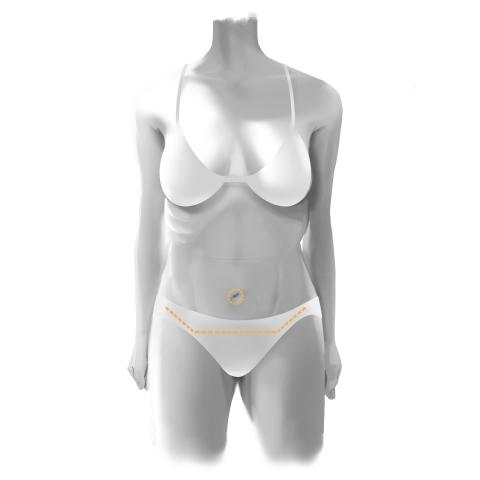
The abdominal incision typically extends horizontally from hip to hip, positioned just above the pubic area, along the natural bikini line crease. This placement helps conceal scars beneath most types of swimwear or underwear.
Breast Lift (Mastopexy)
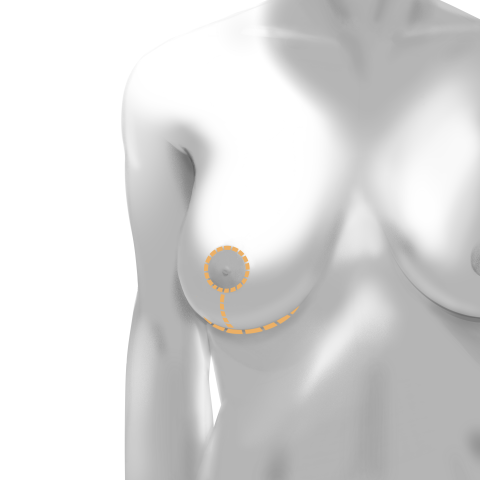
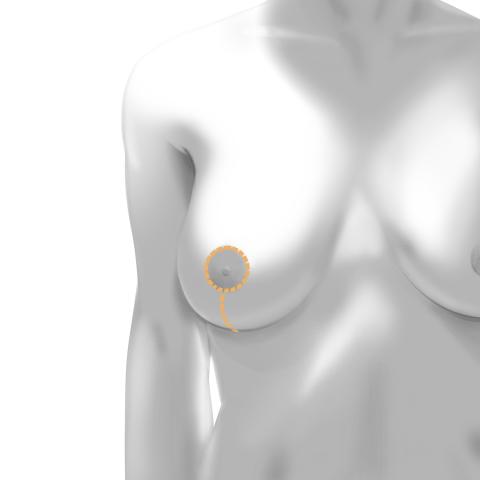
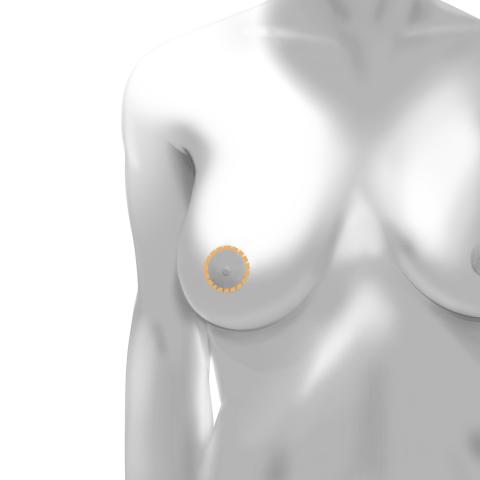
Several incision types correspond to the extent of breast sagging and desired lift, each with distinct scar patterns:
- Anchor incision: encircles the areola, extends vertically down to the breast crease, and follows along the inframammary fold (anchor shape).
- Keyhole (“lollipop”) incision: encircles the areola and descends vertically to the breast crease.
- Donut incision: encircles the areola only, used for minimal lifting.
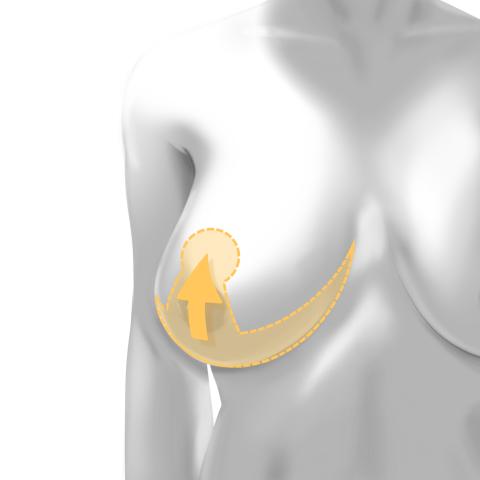
Breast Reduction
Incisions for breast reduction vary based on breast size and degree of reduction needed, often including the breast lift incision patterns plus an additional horizontal incision along the inframammary fold.
Breast Augmentation
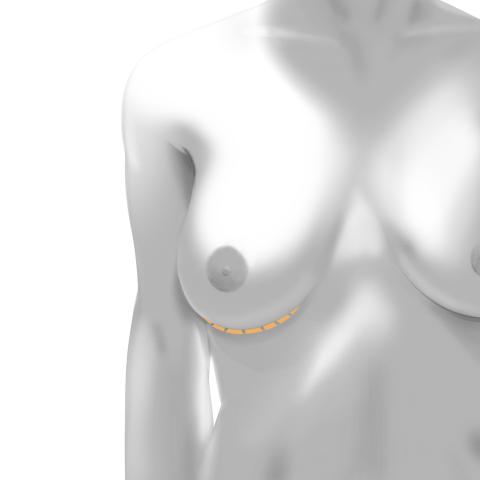
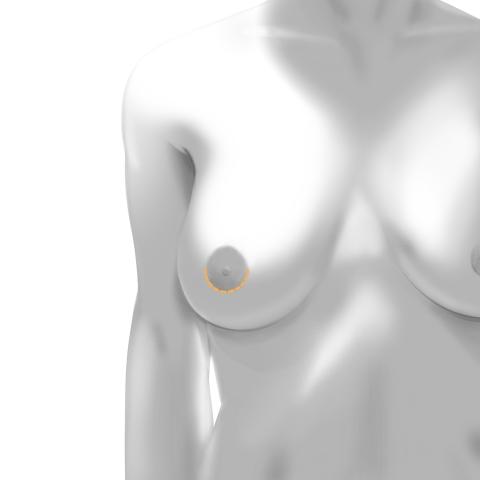
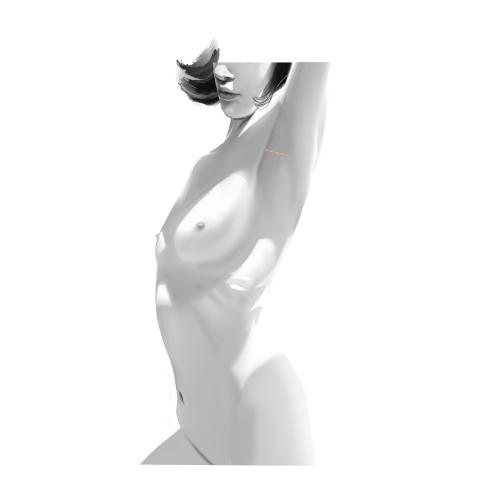
Incision choices for breast enlargement depend on implant type, desired placement, and patient anatomy, including:
- Inframammary incision: beneath the breast in the natural fold.
- Periareolar incision: encircling the lower edge of the areola.
- Transaxillary incision: in the armpit area, avoiding scars on the breast.
- Transumbilical incision: through the belly button (rare, saline implants only).
Liposuction
Small, discreet incisions are strategically placed to minimize visible scarring, often within natural creases or shadowed areas of the body.
Scar Appearance and Healing
Although all surgical incisions result in permanent scars, expert surgical techniques aim to reduce their visibility by placing them in inconspicuous locations and using meticulous closure methods. Scar healing is influenced by individual factors including genetics, skin type, sun exposure, nutrition, and smoking status.
Postoperative care to minimize scars includes following wound care instructions diligently, protecting scar areas from excessive sun exposure, and attending all follow-up visits for monitoring.
Safety Considerations
Understanding the Risks and Complications
While Mommy Makeover surgeries typically have high satisfaction rates and low complication incidence, it remains essential to recognize potential risks associated with any surgical procedure. These include:
- Adverse reactions to anesthesia.
- Hematoma or seroma formation (collection of blood or fluids beneath the skin requiring drainage).
- Infection and excessive bleeding.
- Altered sensation or numbness.
- Visible scarring or poor scar healing.
- Allergic reactions to medications or materials used.
- Damage to tissues underlying the skin.
- Unsatisfactory aesthetic results necessitating revision procedures.
Discussing these risks openly with your surgeon before surgery will prepare you to identify warning signs early and follow safety protocols diligently.
Reducing Your Risks
You can minimize complications by:
- Choosing a board-certified, experienced plastic surgeon.
- Adhering strictly to preoperative and postoperative instructions.
- Reporting any unusual symptoms promptly to your surgical team.
- Maintaining a healthy lifestyle, including smoking cessation.
Associated Costs
Understanding the Financial Investment
The total cost of a Mommy Makeover varies significantly based on factors such as geographic location, surgeon’s experience, facility fees, anesthesia, and the specific procedures combined. Because this approach involves multiple surgeries, combining procedures often offers overall savings compared to having each performed separately.
Typical Procedure Cost Range
The individual components of a Mommy Makeover generally include:
- Liposuction
- Tummy Tuck (Abdominoplasty)
- Breast Lift (Mastopexy)
- Breast Reduction
- Breast Augmentation (Implants or Fat Grafting)
Note: Costs may vary and often exclude anesthesia fees, surgical facility charges, medical tests, post-operative garments, and prescription medications.
Insurance and Financing
Mommy Makeover procedures are generally considered elective cosmetic surgeries and are therefore not covered by health insurance in most cases, except for medically necessary breast reductions. Many surgical practices offer flexible payment plans or financing options to make treatment more affordable.