

Lower Body Lift
Detailed Procedure Information
A Lower Body Lift, often referred to as a belt lipectomy, is a comprehensive aesthetic surgery that targets excess, sagging skin and loose musculature in the lower torso and upper leg regions. This surgery focuses on rejuvenating the buttocks, hips, waist, abdomen, and thighs to restore a smoother, firmer contour to the lower body. This procedure is especially popular among patients who have undergone significant weight loss, pregnancy, or have experienced natural aging effects that contribute to skin laxity below the waistline.
Why Consider a Lower Body Lift?
Post-weight loss or post-pregnancy changes often leave behind stretched, sagging skin that detracts from your body shape and can cause discomfort. A lower body lift surgery offers the benefits of:
- Eliminating excessive skin and residual fat deposits
- Re-tightening lax skin and muscles
- Enhancing and revealing the true results of your weight loss journey
- Reducing or removing irritation from skin folds like chafing or rashes
- Improving the fit and appearance of clothing
- Boosting self-esteem and confidence
Important Considerations Before Surgery
To optimize safety and outcomes, carefully evaluate the following with your plastic surgeon:
- You should be in good general health, with chronic conditions such as diabetes or cardiovascular disease well-managed.
- Smoking cessation is mandatory before surgery due to its impact on healing and complication risks.
- Your weight should be stable, ideally for a year or more, with no imminent plans for further significant weight changes.
- Nutritional health matters; optimal protein and vitamin intake support wound healing.
- Be aware that the surgery will leave a permanent scar generally concealed along your bikini line.
- Weight stability after surgery is crucial to maintain the improvement achieved.
- The recovery period is substantial; expect a hospital or nursing care stay and gradual resumption of normal activities over several weeks.
Selecting a Surgeon
Choosing a qualified and experienced surgeon is paramount for a successful lower body lift. Consider these key points when selecting a surgeon:
- Board certification in plastic surgery with specialized training in aesthetic body contouring.
- Demonstrated extensive experience specifically performing lower body lifts.
- Access and review of a comprehensive gallery of before and after photos to evaluate results.
- Comfort and confidence in your personal interactions and communication with the surgeon.
- Membership in recognized professional bodies such as The Aesthetic Society, which uphold rigorous practice standards.
For added confidence, explore resources to verify certification credentials and search for board-certified surgeons near you with suitable expertise.
What to Expect During Your Initial Consultation
Your consultation provides an opportunity to discuss your aesthetic goals candidly. The surgeon will conduct a thorough examination of your skin elasticity, body contours, and medical history, as well as discuss your realistic expectations. They may request recent weight history, prior surgeries, medication and allergy info to tailor their recommendations effectively.
Discussion will also cover various surgical options, techniques, and potential need for additional or alternative procedures such as tummy tuck or thigh lift to complement your lower body lift.
Questions to Ask Your Surgeon
- Am I an ideal candidate for the lower body lift?
- Are the expected results aligned with my aesthetic goals?
- Can I view your examples of past patient results?
- How many lower body lifts have you performed?
- What anesthesia options do you recommend?
- Where will the incision and resulting scars be located?
- What is the anticipated recovery timeline?
- What complications should I be aware of?
- What financial considerations will apply?
- What preparation is expected from me before and after surgery?
Feel empowered to seek additional consultations to ensure you find the best fit surgeon and approach for your individual needs.
Preparing for your Procedure
Once your surgical plan is confirmed, thoroughly preparing yourself and your environment can enhance your surgical safety and recovery experience. Follow your surgeon’s guidance closely.
Key Preparation Steps
- Stabilize your weight prior to surgery, with a focus on healthy nutrition and possible weight loss under medical supervision if required.
- Cease smoking at least several weeks before surgery to promote optimal healing.
- Avoid medications and supplements that increase bleeding risk, including aspirin and certain herbal products, as directed.
- Hydrate well pre- and post-operatively to support recovery.
- Organize a recovery area at home stocked with essentials at easy reach to prevent unnecessary movement in the early healing period.
- Prepare and freeze meals focused on protein with limited sodium to support tissue repair and reduce swelling.
- Arrange reliable caregiver support for the initial postoperative period, especially if caring for young children.
- Plan your wardrobe with convenient, front-opening and slip-on clothing for ease of dressing during recovery.
- If outpatient surgery is planned, ensure your transportation and home care arrangements meet safety requirements.
What to Expect on Surgery Day
- The surgery will take place in an accredited medical facility with fully equipped operating rooms and recovery suites.
- General anesthesia is typically administered, with continuous monitoring of vital signs for your safety.
- Your surgeon may adapt surgical techniques during the procedure to optimize outcomes based on real-time findings.
- Post-surgery, you will be closely monitored as you regain consciousness and stabilise before discharge or transfer to inpatient care.
- Dressings and surgical drains will be applied as needed to control swelling and fluid accumulation; you and your caregiver will be trained to manage these before going home.
Aftercare & Recovery
The recovery from a lower body lift involves careful attention to wound care, physical activity limitations, and monitoring for complications as you heal.
Recovery Timeline
- Initial pain and discomfort will be expected; your surgeon will prescribe appropriate pain management.
- Compression garments must be worn consistently for several weeks to support skin tightening and reduce swelling.
- Drainage tubes, if placed, will require regular emptying and recording until removal, generally within two weeks post-surgery.
- Swelling, redness, and bruising typically diminish within one to three weeks as healing progresses.
- Gradual resumption of walking is crucial early on to minimize risks of blood clots.
- Heavy lifting, strenuous activity, and exercise should be avoided for at least four to six weeks.
- Follow-up appointments will monitor healing progress and enable prompt management of any concerns.
- Complete healing of surgical incisions and fading of scars will take several months.
Recovery Support Recommendations
- Ensure you have reliable assistance at home, as activities like childcare, cooking, and cleaning will be temporarily restricted.
- Maintain hydration, a balanced diet, and avoid smoking or alcohol consumption to aid tissue repair.
- Follow wound care instructions meticulously to prevent infections and encourage optimal scar formation.
- Communicate with your surgeon immediately if you experience unusual pain, fever, bleeding, or other concerning symptoms.
Results
The lower body lift delivers a dramatic transformation by removing excess skin, improving body contours, and tightening the underlying muscles, yielding a rejuvenated silhouette below the waist. Though the surgical results are long-lasting, they will evolve with ongoing aging and weight changes.
Longevity of Results
The improved contours achieved with the removal of redundant skin are generally permanent, provided you maintain a stable weight and a healthy lifestyle. Natural aging will gradually cause some loosening of skin over time, but the surgery significantly delays this process compared to non-surgical management.
Maintaining Your New Body Shape
Maintaining balanced nutrition, steady body weight, and engaging in appropriate exercise will help preserve your outcomes. Regular follow-up with your surgeon allows early detection and management of any issues or concerns.
Incisions and Scars
The lower body lift results in a circumferential incision around the lower torso. This incision typically sits low on the abdomen, just above the pubic area, extending across the hips and wrapping around the back beyond the top of the buttock crease, joining in the front.
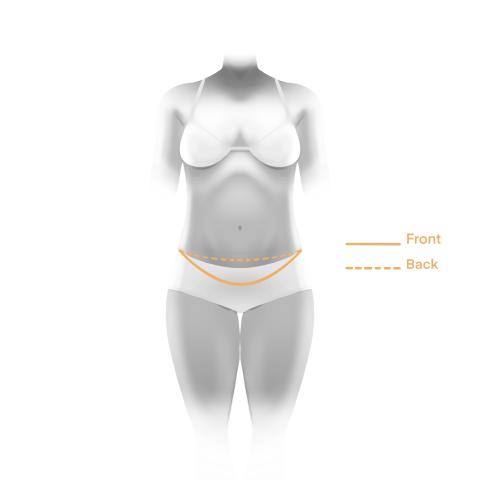
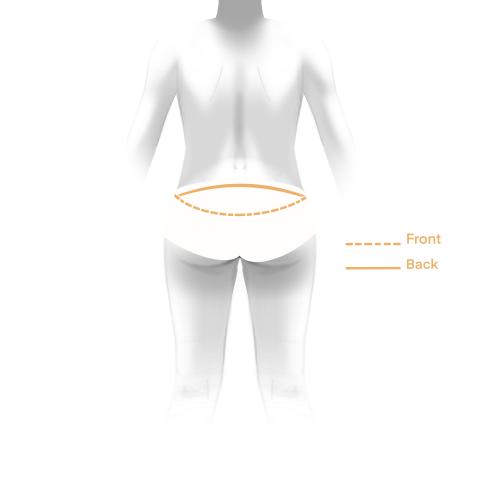
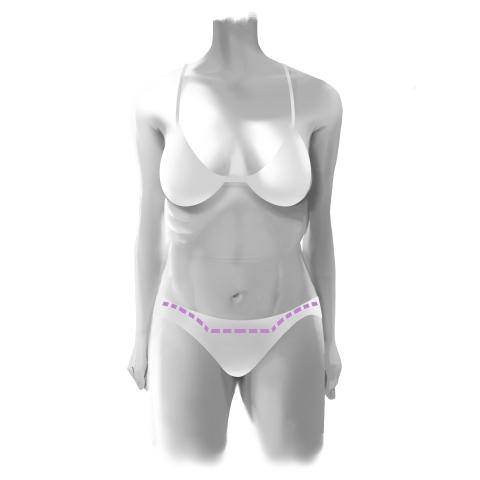
While the scar is permanent, it is positioned strategically for concealment. Scar maturation and fading typically improve appearance over 6 to 12 months. Factors influencing scar quality include surgical technique, genetic predisposition, nutritional status, and post-operative care adherence.
Safety Considerations
Lower body lift surgery is generally safe when performed by an experienced, board-certified plastic surgeon in an accredited surgical setting. Despite this, as with any major surgery, some risks exist.
General Surgical Risks
- Adverse reactions to anesthesia
- Fluid collection beneath the skin (seroma) or bleeding (hematoma)
- Infection at or around the incision site
- Numbness or changes in skin sensation
- Scarring and wound healing issues
- Possible allergic reactions to medications or materials used
- Damage to underlying tissue structures, although rare
- Unsatisfactory aesthetic outcome requiring revision surgery
Risks Specific to Lower Body Lifts
- Deep vein thrombosis or pulmonary embolism (blood clots)
- Reappearance of skin laxity if additional significant weight loss occurs post-surgery
Meticulously following your surgeon’s pre- and post-operative instructions significantly reduces complication risks. Regular communication and promptly addressing any concerns are critical components of safe recovery.
Associated Costs
The cost of lower body lift surgery varies depending on multiple factors such as surgeon expertise, geographic location, facility fees, anesthesiology, and the complexity of the planned procedure.
Before scheduling surgery, discuss cost estimates with your surgeon’s office. Obtain a detailed breakdown covering all aspects including surgeon fees, facility charges, anesthesia, post-operative garments, and follow-up visits.
Insurance and Financing
Lower body lifts are usually considered elective cosmetic procedures and are typically not covered by health insurance plans. Exceptions occur if deemed medically necessary, for example, if excess skin causes functional problems such as infections or rashes that are unresolvable by conservative means. In such cases, prior approval from the insurer is essential.
Many clinics and surgeons offer financing options to help patients manage surgical expenses more conveniently.
Selecting a Surgeon: Quality Over Cost
Prioritize surgeon qualifications, experience, and patient safety over purely financial considerations. Board-certified plastic surgeons affiliated with reputable societies offer a higher assurance of standards and outcomes. Investing in a skilled surgeon helps ensure your health and satisfaction with your lower body lift.