 Upper Arm Lift
 Upper Arm Lift
Detailed Procedure Information
Understanding the Upper Arm Lift (Brachioplasty)
Reasons to Consider an Upper Arm Lift
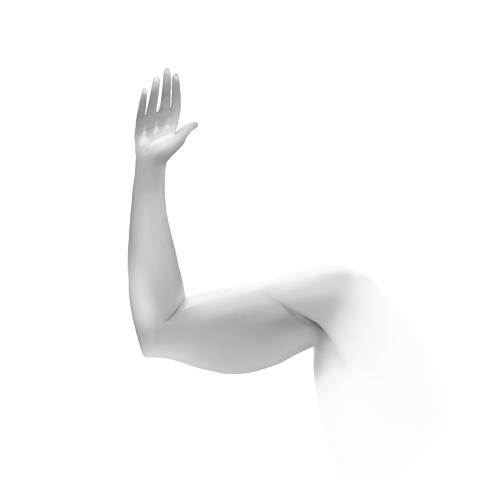
Aging, significant weight reduction, or repeated shifts in weight can leave the skin and tissues of the upper arms stretched and lax, which often does not improve despite diet or exercise. If you are struggling with loose skin or stubborn fat in this area, an upper arm lift could offer a tailored solution.
- Eliminates surplus fat and skin in the upper arms
- Tightens skin to combat sagging and improve tone
- Contours the arms for a more defined and youthful shape
- Improves appearance in fitted, sleeveless, or short-sleeved clothing
- Enhances self-esteem and body confidence
Factors to Evaluate Before Pursuing an Upper Arm Lift
It is essential to have a detailed discussion with your plastic surgeon to address your individual needs and expectations before undergoing brachioplasty. Some important considerations include:
- Overall health status, ensuring no unmanaged diseases like diabetes or cardiovascular conditions
- Non-smoking status, as smoking compromises healing and increases risk of complications—cessation prior to surgery is mandatory
- Stable body weight, with the procedure best suited for patients who have maintained a consistent weight
- Acceptance of visible scarring, often along the inner aspect of the upper arms from armpit to elbow
- Assessment of skin laxity severity, as mild sag may be better addressed with limited procedures or liposuction alone
- Commitment to maintain weight postoperatively to preserve surgical outcomes
- An understanding that recovery may take from one to two weeks or more, depending on the case specifics
Selecting a Surgeon
Choosing a Qualified Surgeon for Your Upper Arm Lift
Selecting the right surgeon for your brachioplasty is imperative to achieve safe, attractive results. Here are key factors to assess when choosing your surgeon:
- Formal education, board certification, and training in plastic surgery
- Demonstrated experience and specialization in upper arm lift procedures
- Quality of before-and-after photo galleries for arm lifts showcasing their work
- Personal compatibility and comfort during consultations
- Membership in reputable professional organizations such as The Aesthetic Society
To verify credentials and find certified specialists near you, visit Surgeons Near You. A well-informed consultation enables you to set realistic goals and ensures your safety.
What Happens During Your Consultation?
Your initial meeting will include a thorough evaluation of your medical history, physical examination of your arms, and a detailed discussion regarding your desired outcomes. Your surgeon will assess skin elasticity, fat distribution, and overall health. Photos may be taken for medical records, and you will be informed about potential procedural options tailored to your anatomy and goals.
Be prepared to discuss:
- Prior surgeries and medical conditions
- Allergies and current medications
- Lifestyle habits including smoking, alcohol, and recreational substances
- Experience with any cosmetic treatments or surgeries
Critical Questions to Ask Your Surgeon
- Am I a suitable candidate for an arm lift?
- What outcomes are realistically achievable in my case?
- May I see before and after images of your previous patients?
- How many upper arm lift surgeries have you performed?
- Where will the incisions be placed, and what anesthesia is used?
- What is the expected duration of surgery and recovery time?
- What costs are involved and what payment options are available?
- What post-surgical care will I need to follow?
- What are the risks, and how are complications handled?
- What options exist if I am unsatisfied with final results?
For additional guidance on questions to prepare, review Questions To Ask Your Aesthetic Plastic Surgeon.
After Your Consultation
Your surgeon will provide a personalized surgical plan outlining procedural details, potential adjunct treatments, risks, recovery expectations, and approximate financial information. This process empowers you to make a confident, informed decision regarding the procedure and surgeon selection.
Preparing for your Procedure
Preoperative Preparation for Your Upper Arm Lift
Your surgeon will provide detailed instructions tailored to your health and surgical plan ahead of your procedure. Preparation is crucial to minimize risks and optimize recovery. Common recommendations include:
- Achieving a stable and healthy weight before surgery for optimal outcomes
- Quitting smoking well in advance to support wound healing and reduce infection risk
- Avoiding medications and supplements, such as aspirin or herbal remedies, that increase bleeding tendencies
- Staying well-hydrated before and after your surgery
- Preparing easy-to-access nutritious meals emphasizing protein and low sodium content for post-op recovery
- Organizing your living area for an effortless recovery, including placing necessary items within easy reach and arranging support for daily activities
- Scheduling sufficient time off work—typically one to two weeks depending on your job’s physical demands
- Enlisting a responsible adult to accompany you on surgery day and stay with you at least the first 24 hours post-surgery
- Selecting clothing that opens in front and shoes you can slip on without bending extensively
What to Expect on Surgery Day
- Your surgery may be performed in a hospital, surgery center, or accredited office-based facility
- The procedure lasts approximately one to three hours but can vary
- Anesthesia options include intravenous sedation paired with local anesthesia or general anesthesia, based on your surgeon’s recommendation
- Continuous monitoring of vital signs will ensure your safety during the surgery
- Incisions will be made according to the pre-planned design to remove loose skin and fat
- After excision, incisions are meticulously closed, possibly with absorbable sutures beneath the skin
- Sterile dressings and compression garments will be applied to reduce swelling and promote healing
- Surgical drains may be positioned to prevent fluid build-up; you will be instructed on their management before discharge
- Most patients are discharged home after brief observation, requiring a responsible adult’s accompaniment
Aftercare & Recovery
Recovery Timeline and Expectations
Recovery following an upper arm lift varies by patient, but typically you will need several weeks to fully heal. Most individuals can return to work within one to two weeks depending on their role, and driving is usually possible after about ten days once pain medications are no longer required.
Your surgeon will give precise postoperative instructions covering:
- Drain care if applicable
- Normal symptoms such as swelling, bruising, and mild discomfort
- Signs that warrant prompt medical attention including infection or unusual pain
Adherence to your doctor’s advice, especially regarding compression garment use and activity restrictions, is vital to an optimal outcome.
Immediately Following Surgery
- You may experience dizziness or nausea as anesthesia effects subside, typically resolving within hours
- Your arms will be wrapped or in compression sleeves to control swelling and support healing
- If drains are used, you and your caregiver will learn how to empty and care for them before discharge
- A responsible adult must stay with you for at least the first 24 hours to assist with basic needs and mobility
- Begin with liquids and then advance to small meals as tolerated; persistent nausea should be reported to your surgeon
- Slow mobilization, including sitting up and short walks, encourages circulation and reduces risks of blood clots
- Pain and discomfort can be managed with prescribed oral medications and typically begin diminishing within 48 hours
- Swelling and bruising peak around 36 to 48 hours post-surgery and gradually resolve over two weeks
- Elevating your arms while sleeping for approximately two weeks aids fluid drainage and reduces tension on incisions
Ongoing Recovery and Return to Activities
- Limit activities that elevate heart rate or strain surgical sites for at least one week
- Walking is encouraged, but avoid lifting, stretching, or raising arms over the head for four weeks
- Protect incisions from trauma, excessive motion, or abrasion during healing
- Compression garments should be worn as directed to maintain contours and reduce swelling
- Arms may remain swollen for three to five weeks; gentle movement helps expedite resolution
- Driving is not recommended while taking narcotic pain medications
- After four weeks, light cardio such as brisk walking or cycling can be resumed; full return to strenuous activities generally occurs by six weeks
- Scars will appear firm and pink initially and continue to mature and fade over nine to twelve months
Results
Longevity of Your Upper Arm Lift Outcomes
Provided you maintain a stable weight, the results of your arm lift can last for many years. It is important to understand that the natural aging process continues, and some skin laxity may return with time. Weight fluctuations can also affect your arm contours, potentially leading to renewed sagging.
For an idea of realistic outcomes, review before and after images of patients who have undergone brachioplasty.
Postoperative Considerations to Maintain Your Results
Follow-up visits with your plastic surgeon are essential to monitor healing, manage any concerns, and ensure satisfaction with your results. If you observe unusual changes or gradual loss of contour, communicate promptly with your surgeon to explore options.
Incisions and Scars
What to Expect Regarding Incisions and Scar Appearance
Incision patterns and residual scarring depend on the surgical technique selected for your arm lift, tailored to the amount of excess skin and fat and your desired results.
Liposuction Alone
Liposuction involves only small incisions which typically heal with scarcely visible or minimal scars. This option is ideal for patients with good skin elasticity and localized fat deposits.
Limited-Incision Brachioplasty
This procedure results in scars primarily hidden within the armpit. It suits patients with mild skin laxity confined to the upper inner arm near the armpit.
Standard Brachioplasty
The most common arm lift leaves an incision along the inner arm from the armpit to just above the elbow, creating a more visible scar but enabling correction of moderate to severe sagging.
Extended Brachioplasty
This more comprehensive procedure extends the incision from the elbow, through the armpit, continuing onto the side of the chest wall. It addresses excess skin and fat after massive weight loss.
Your surgeon will employ techniques to place incisions in discreet locations and employ sutures that minimize scar prominence. The final appearance of scars varies depending on your individual healing response, adherence to care instructions, and genetic factors.
Though standard or extended brachioplasty scars are more extensive, many patients find the improved arm shape worth this trade-off.
Safety Considerations
Understanding Risks and Safety Measures
Though major complications from upper arm lifts are uncommon, it is vital to understand all potential risks before surgery and comply fully with your surgeon’s advice for a safe procedure and recovery.
Common Surgical Risks Include:
- Adverse reactions to anesthesia
- Hematoma or seroma formation (collection of blood or fluid beneath the skin), possibly requiring drainage
- Postoperative infection or bleeding
- Altered or reduced sensation around the incision sites
- Scarring of variable appearance
- Allergic reactions to medications or materials used during surgery
- Damage to deeper structures like nerves or blood vessels (rare)
- Unsatisfactory aesthetic results necessitating revision procedures
Risk reduction is achieved by selecting a board-certified, experienced surgeon, thoroughly following pre- and postoperative guidelines, and promptly reporting any unusual symptoms.
Associated Costs
Financial Investment for Your Upper Arm Lift
The overall cost of an upper arm lift can vary considerably based on factors such as the surgeon’s expertise, geographic location, the complexity of the procedure, and facility fees. During your consultation, your surgeon will provide an estimated cost tailored to your planned treatment.
Insurance Coverage Considerations
As an elective cosmetic procedure, brachioplasty is generally not covered by health insurance plans. Financing options or payment plans may be available through your surgeon’s office to assist with affordability.
In some cases, if the arm lift is performed as part of reconstructive surgery following massive weight loss, partial insurance coverage may be possible. It is important to verify with your insurance provider before scheduling the surgery.