
Breast Lift
Detailed Procedure Information
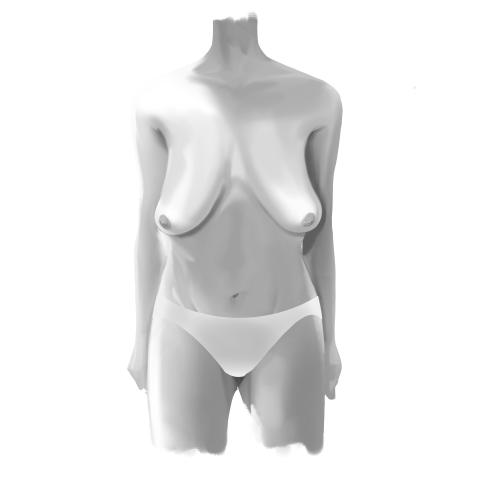
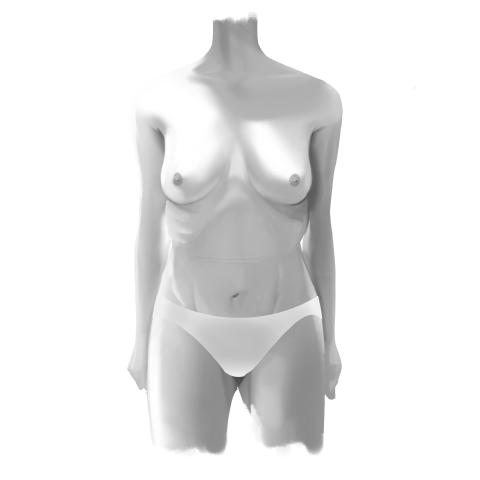
A breast lift, medically termed mastopexy, is a specialized cosmetic surgery designed to elevate and reshape breasts that have lost firmness or started to sag. This procedure not only repositions the breasts for a more youthful contour but also addresses issues such as drooping nipples and stretched areolas, enhancing both the shape and profile of the chest.
Purpose of a Breast Lift
Factors such as aging, gravity, pregnancy, breastfeeding, and variations in body weight can contribute to the loosening and sagging of breast tissue. A breast lift restores the breasts’ position and improves symmetry and projection, helping patients regain confidence in their appearance.
Ideal Candidates for a Breast Lift
- Individuals with sagging or pendulous breasts
- Those experiencing nipple droop or elongated areolas
- Patients noticing asymmetry or loss of breast volume
- Those satisfied with breast size but unhappy with shape or positioning
Benefits of Mastopexy
- Improved breast contour and uplift
- Enhanced symmetry and nipple positioning
- Correction of stretched skin around nipples
- More youthful and firm appearance
- Improved fit and appearance in clothing
- Boost in self-esteem and body image
Key Considerations Before Committing to Surgery
It is essential to consult with a qualified plastic surgeon to determine if a breast lift is the right choice based on your personal health, breast anatomy, and goals. Important considerations include:
- Good general health is necessary to minimize surgical risks.
- Breast size may be maintained, but shape is improved with lifting.
- For those with significant volume discrepancies, combining with breast augmentation or reduction may be advised.
- Scarring is an inevitable part of the procedure but can be strategically concealed.
- Results may fade gradually over time due to natural aging and gravity.
- Those with large, heavy breasts may experience less durable outcomes.
- Postponing surgery until after completion of childbearing is often recommended.
- Recovery typically requires one to two weeks of downtime.
Selecting a Surgeon
Choosing a Qualified Specialist
To ensure the best outcomes, selecting a surgeon with the appropriate credentials, training, and experience in breast lifts is crucial. Important criteria include:
- Board certification in plastic surgery from recognized institutions
- Proven expertise performing breast lift surgeries
- Extensive portfolio of before-and-after photos demonstrating results
- Membership in professional organizations such as The Aesthetic Society
- Comfort level and clear communication during consultations
Interested patients can consult resources like how to find an aesthetic plastic surgeon and locate specialized surgeons nearby.
What to Expect During Your Consultation
Initial consultations typically involve a comprehensive evaluation, which might carry a fee. During this visit, your surgeon will review your goals, examine your breast anatomy, and recommend the procedure best suited to your needs. Key aspects covered include:
- Current and desired breast size and shape
- Skin elasticity and tissue quality
- Nipple and areola position and size
- Health history and any prior surgeries or conditions
Discussion of alternative or complementary procedures such as breast augmentation or reduction may occur if indicated.
Consultation Questions You Should Ask
- Am I a suitable candidate for breast lift surgery?
- What outcomes are realistic based on my anatomy?
- Which surgical technique do you advise?
- Can I review before and after images of previous patients?
- How many breast lifts have you performed?
- Where and how long will the surgery take?
- What is the expected scarring?
- What anesthesia will be used?
- What can I expect in terms of recovery and downtime?
- What are the risks and possible complications?
- What if I am unhappy with the results?
More questions can be found in our patient resource guide.
Post-Consultation Steps
After your consultation, your surgeon will provide a personalized surgical plan, estimate recovery expectations, explain risks, and review financial details. Should questions remain or doubts arise, patients are encouraged to seek second opinions or use our Ask a Surgeon tool for additional guidance.
Preparing for your Procedure
Preoperative Preparation Guidelines
Proper preparation enhances safety and optimizes surgical results. Your surgeon will provide detailed instructions after the consultation, which may include:
- Achieving a stable, healthy weight
- Ceasing smoking to improve healing
- Avoiding aspirin, anti-inflammatory drugs, and certain herbal supplements that increase bleeding risk
- Maintaining adequate hydration before and after surgery
- Limiting alcohol intake in the weeks leading up to surgery
- Choosing comfortable, front-opening clothing and slip-on shoes for the day of surgery and recovery
- Stocking your home with nutritious, high-protein low-sodium foods and caffeine-free beverages
- Setting up recovery essentials within easy reach due to limited arm mobility post-surgery
- Preparing entertainment options to assist during downtime
- Arranging reliable support for household tasks and childcare, especially for children under five
Since breast lifts are often outpatient procedures, arrange transportation home and support for at least the first night post-surgery.
The Day of Surgery
- The surgery will be performed in a hospital, ambulatory center, or accredited surgical suite.
- The surgical duration varies depending on chosen techniques and individual considerations.
- General anesthesia is commonly used, although some cases may involve local anesthesia with sedation.
- Patient monitoring includes heart rate, blood pressure, oxygen saturation, and pulse throughout the procedure.
- Incision and lifting technique may be adjusted intraoperatively for optimal outcomes.
- Postoperatively, patients recover in a dedicated area until sufficiently alert and stable.
- Bandages, compression garments, and possibly drainage tubes will be applied.
- Patients or caregivers will be taught how to manage surgical drains before discharge home.
Aftercare & Recovery
Recovery Timeline
Most patients resume normal activities within one to two weeks, though individual recovery times may vary. Your surgeon will provide personalized instructions covering:
- Management of surgical drains if applicable
- Recognizing common postoperative symptoms and signs of complications
Immediate Postoperative Expectations
- Bandages or compression bras will provide support and reduce swelling.
- Pain and discomfort are normal; severe or prolonged pain should be reported to your surgeon.
- Swelling, redness, stiffness, and soreness typically last several days.
- Bruising, numbness, itching, and firmness in the breasts are common but generally temporary.
- Early mobilization by standing and short walks is encouraged the day after surgery.
- Resting in an inclined or reclined position helps reduce swelling.
- Drains and dressings will be removed within several days, as instructed.
- Strenuous activity, heavy lifting, and bending should be avoided initially.
Ongoing Recovery Over the First Weeks
- Gradual improvement in mobility and reduction of discomfort usually occur after the first few days.
- Return to work is often possible after about a week, depending on job demands.
- Restrictions such as avoiding driving, heavy household chores, and vigorous exercise typically last at least two weeks.
- Stitch removal happens gradually over about three weeks post-surgery.
- Hot showers, baths, saunas, and sexual activity should be avoided initially, following your surgeon’s guidance.
- Support bras are recommended during healing to maintain breast shape and reduce swelling.
- Sensation changes in nipples and areola regions are common initially and usually improve over time.
- Final breast shape will evolve gradually as swelling resolves and tissues settle.
- Incision coloration typically fades from red or pink to a more subtle tone over months.
Results
Longevity of Breast Lift Outcomes
When performed by an experienced plastic surgeon, the breast lift offers long-lasting improvement in breast position and contour. While some natural settling may occur, the elevated nipple placement and enhanced firmness generally persist for many years, barring significant weight changes or pregnancy.
The durability of results varies based on the surgical method, patient anatomy, and lifestyle factors. Combining mastopexy with augmentation can extend the duration of the enhanced appearance.
Viewing before and after photos assists prospective patients in understanding achievable aesthetic results.
Postoperative Follow-up and Maintenance
Adhering to scheduled follow-up appointments is essential to monitor healing and address concerns promptly. Patients are encouraged to contact their surgeon whenever uncertain about changes or symptoms during recovery.
Incisions and Scars
Common Incision Patterns for Breast Lift
The surgical approach and incision locations vary depending on the degree of breast sagging, skin elasticity, and the patient-specific goals. The most frequently used incisions include:
- Periareolar (around the areola)
- Vertical (from the bottom of the areola to the breast crease)
- Horizontal (along the inframammary fold, or breast crease)
The “Anchor” Incision
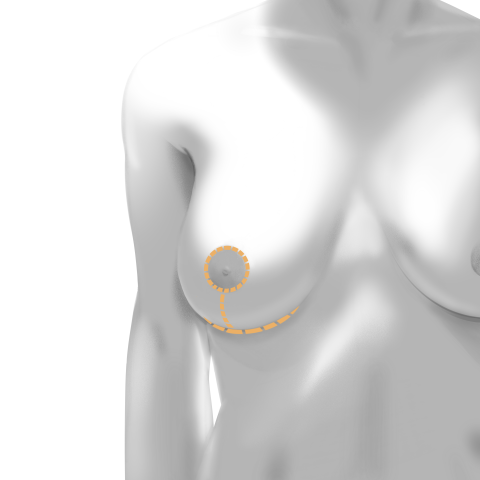
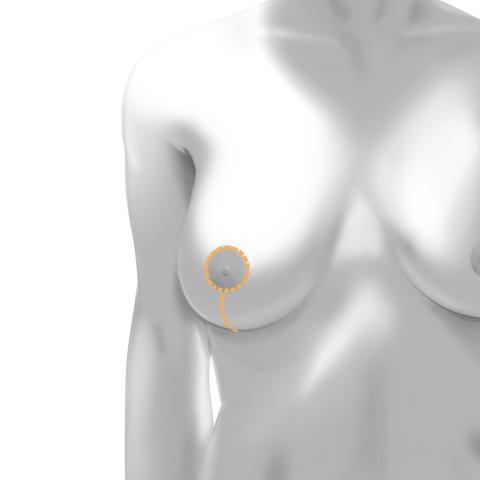
This approach involves a circular incision around the areola, a vertical incision downward, and a horizontal incision along the breast crease. It is generally recommended for patients with significant sagging or those combining breast reduction with mastopexy. This technique allows the greatest reshaping with more visible scarring.
The “Keyhole” or “Lollipop” Incision
This technique includes an incision around the areola and a vertical incision down to the breast crease. Suitable for moderate sagging, it offers a balanced lift with moderate scarring.
The “Donut” or Periareolar Incision
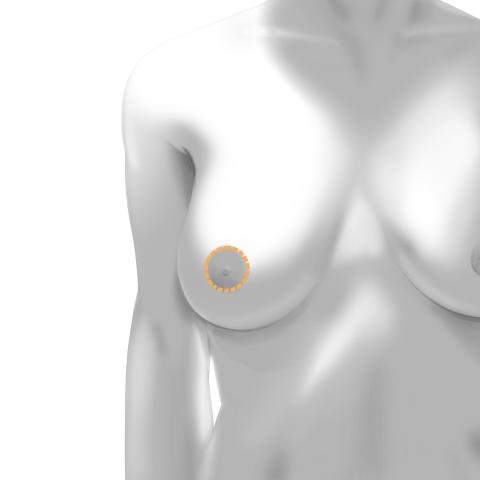
Performed with a single circular incision around the areola, this technique is ideal for mild sagging or areolar asymmetry. It results in minimal visible scarring and may be combined with breast implants to address volume concerns.
The “Crescent” Incision
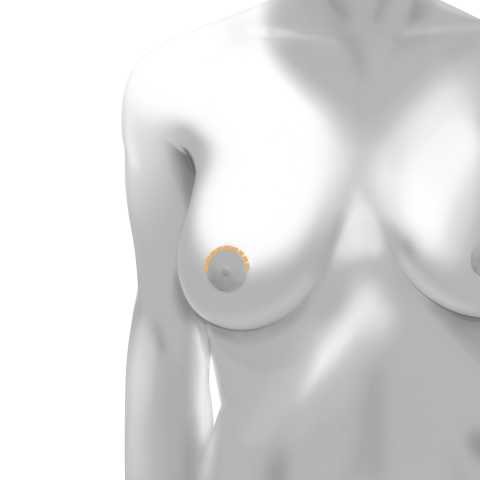
A less common approach, the crescent incision involves removing a small crescent of skin from the upper half of the areola and reattaching the areola. It is suitable for minimal sagging or combined augmentation and lift procedures.
“Scarless” or Minimal-Scar Techniques
For patients prioritizing volume enhancement over lifting, some minimally invasive options exist, often combined with implants. Methods such as Thermage, Smart Lipo, or Quill Thread lifts utilize smaller incisions and internal support systems but are limited in the degree of lift achievable.
Scar Visibility and Healing
Although incisions are permanent, scars usually fade and soften over time with proper care. Surgeons strategically place incisions to be as inconspicuous as possible. Healing outcomes depend on surgical technique, patient genetics, skin care, and lifestyle factors such as smoking cessation and nutrition.
Safety Considerations
Potential Risks and Complications
While breast lift surgery is generally safe when performed by a board-certified plastic surgeon, all surgeries carry inherent risks. Potential complications include:
- Adverse responses to anesthesia
- Hematoma (blood accumulation) or seroma (fluid buildup) requiring intervention
- Infection or excessive bleeding
- Nerve changes causing altered breast or nipple sensation
- Visible scarring beyond expected limits
- Allergic reactions to surgical materials or medications
- Damage to underlying breast tissue structures
- Unsatisfactory aesthetic outcomes necessitating revision surgeries
Risks Specific to Breast Lifts
- Temporary or permanent numbness in nipple and areola area
- Uneven breast shape or asymmetrical results
- Rare risk of nipple tissue necrosis due to compromised blood supply
- Possible difficulty with breastfeeding after the procedure
Patients can reduce these risks by following their surgeon’s detailed pre- and post-operative instructions and by maintaining open communication throughout the surgical journey.
Associated Costs
Overview of Breast Lift Expenses
The cost of mastopexy varies depending on multiple factors including surgeon expertise, geographical location, facility fees, and the chosen surgical technique. It is important to receive a personalized quote during your consultation to understand all associated expenses.
Insurance Coverage
As cosmetic breast lifts are elective procedures focused on enhancing aesthetic appearance rather than addressing medical necessity, they are typically not covered by health insurance plans.
Important Financial Considerations
When selecting your breast lift surgeon, prioritize quality, credentials, and experience rather than price alone. Aesthetic surgery is an investment in your well-being and appearance with potential lifelong effects.
Many practices offer flexible financing options to help patients manage payments responsibly. Members of The Aesthetic Society adhere to rigorous ethical standards and demonstrate their commitment to patient safety and satisfaction — details about membership and benefits can be found here.