 Brow Lift
 Brow Lift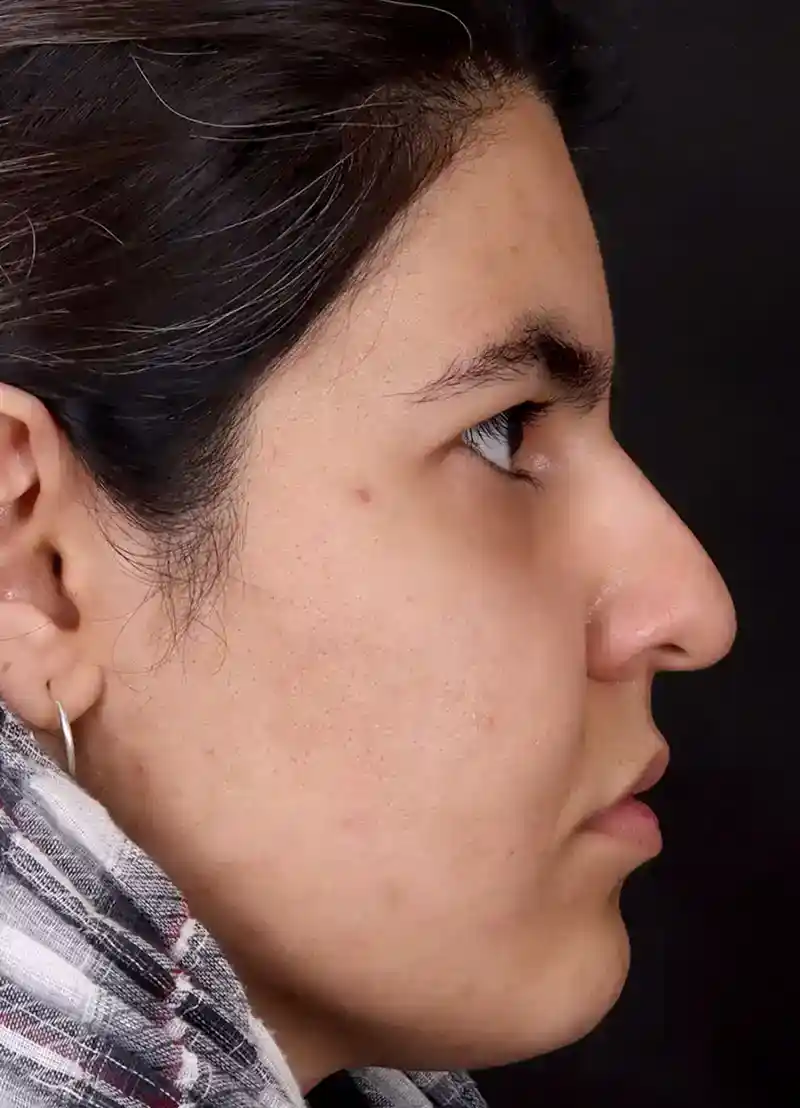
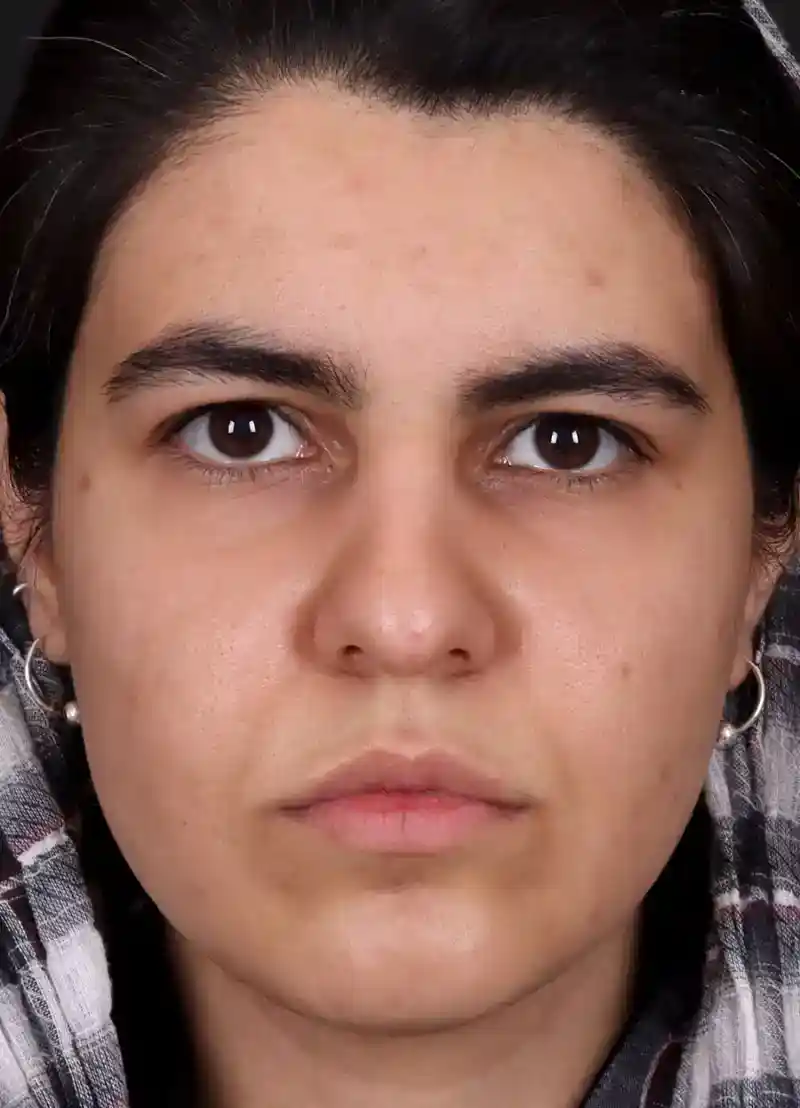

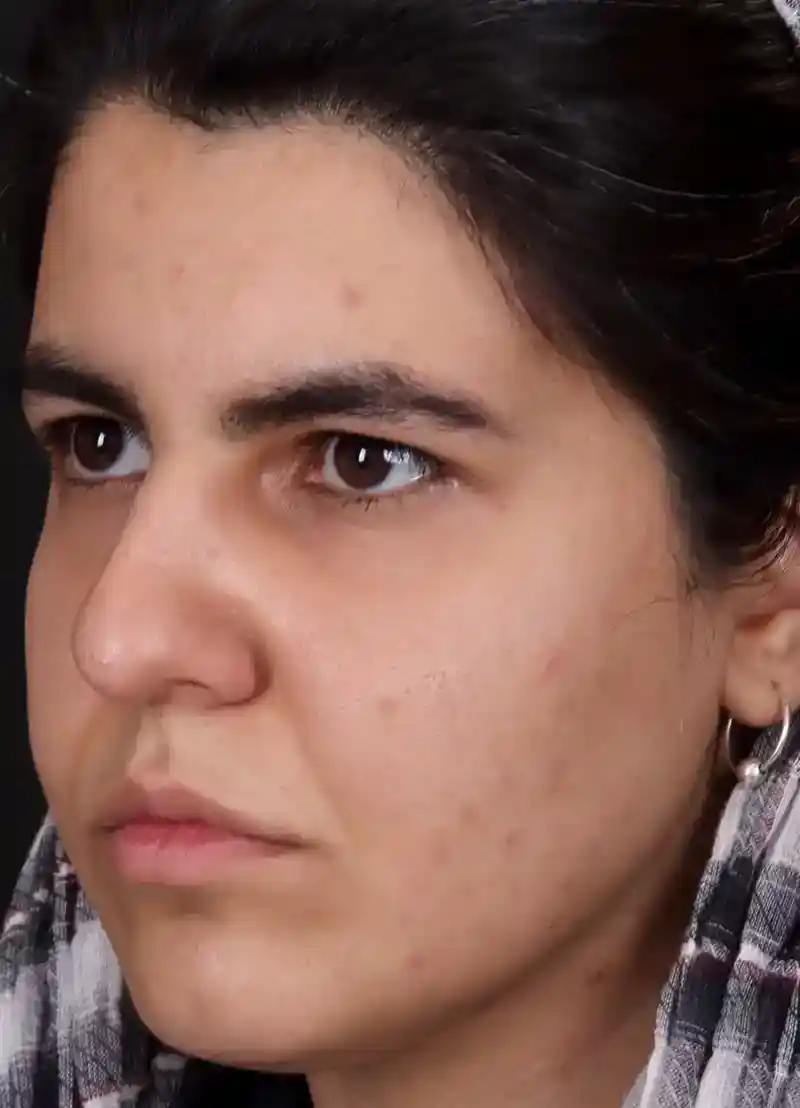
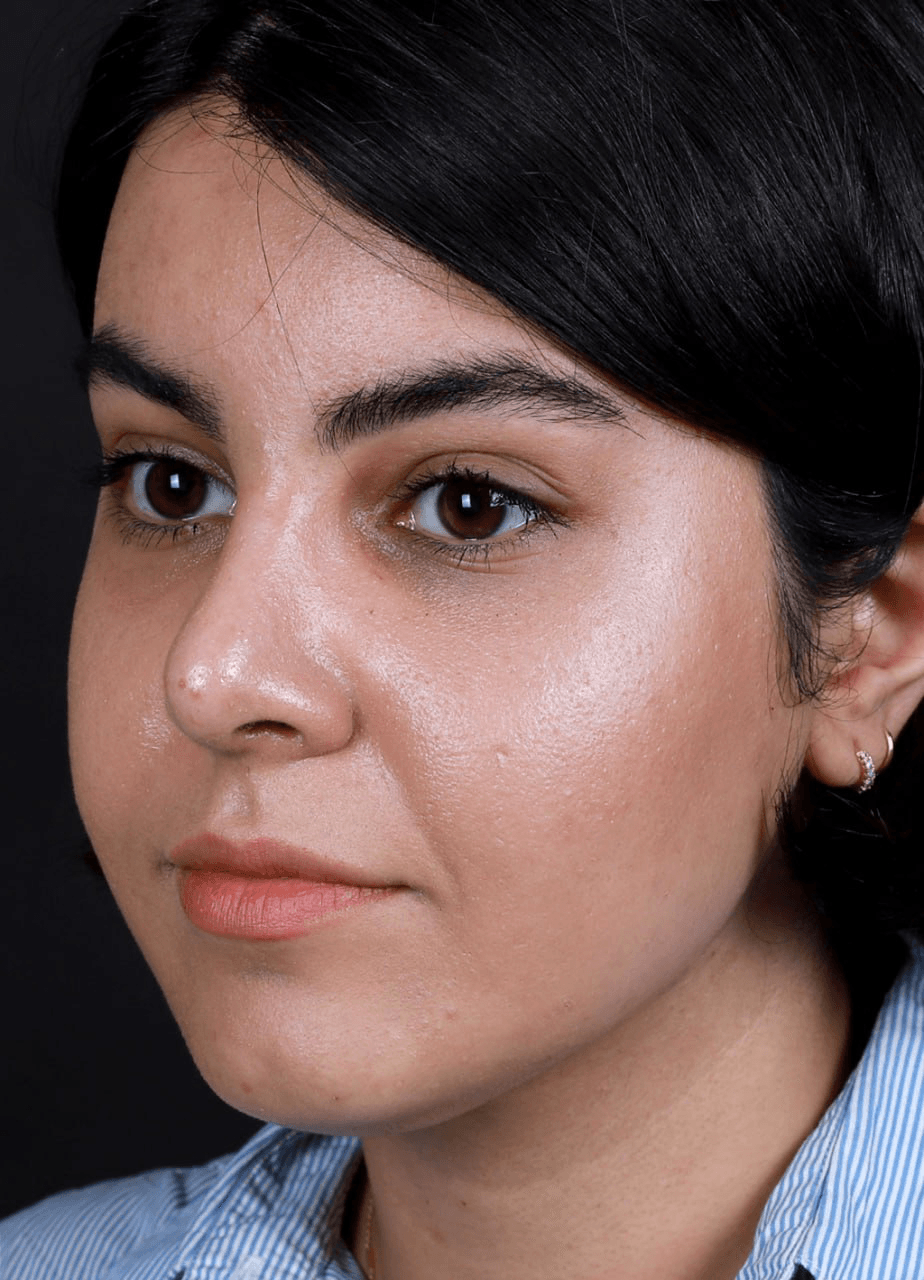
Detailed Procedure Information
A brow lift, sometimes called a forehead lift or browplasty, is a surgical procedure designed to rejuvenate the upper facial region by elevating the eyebrow position and smoothing the forehead’s appearance. This operation targets the drooping of eyebrows and soft tissue laxity caused by aging, gravity, and facial expressions, helping restore a more youthful, refreshed look.
Purpose and Benefits of a Brow Lift
This procedure is ideally suited for individuals concerned with a sagging or heavy brow, deep forehead wrinkles, hooded eyelids caused by drooping brows, or an overall expression that appears tired or angry. Benefits include:
- Elevation of the eyebrows to a more youthful and alert position
- Correction of brow droop that can impair vision or cause eyelid heaviness
- Smoothing of horizontal forehead lines and vertical frown wrinkles
- Shortening the forehead appearance by adjusting the hairline position when necessary
- Creating a friendlier, more approachable facial expression
- Enhancement of self-esteem through improved facial balance and aesthetics
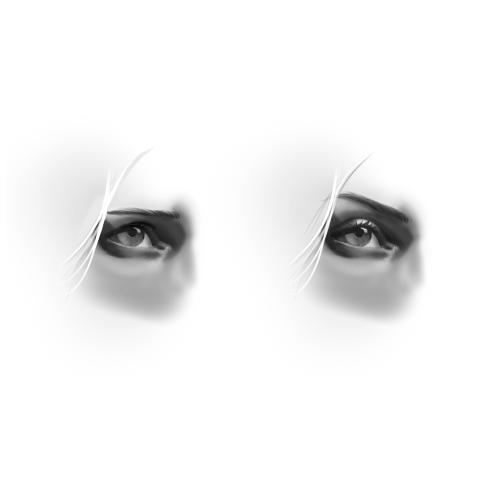
Pre-Procedure Considerations
It is important to discuss candidacy for a brow lift with a qualified aesthetic plastic surgeon, as individual factors affect both suitability and expected outcomes. Key points include:
- Good overall health without conditions that may impair healing or increase surgical risks
- Brow lift surgery is frequently combined with other facial rejuvenation procedures such as facelift or blepharoplasty for comprehensive results
- Potential for visible scarring varies based on incision choice and hairline characteristics
- Possible temporary or long-term numbness around incision sites or the forehead
- Anticipated recovery period ranges generally between one and two weeks
Selecting a Surgeon
Choosing the right aesthetic plastic surgeon plays a critical role in your brow lift experience and satisfaction. Factors to consider when selecting your surgeon include:
- Board certification and specialized training in aesthetic plastic surgery
- Extensive experience performing brow lifts with a proven track record
- Reviewing surgeon’s before-and-after photo gallery to assess results
- Your personal comfort and confidence during consultations
- Membership with recognized professional organizations such as The Aesthetic Society
Consultations entail an in-depth review of your facial anatomy, goals, medical history, and expected outcomes. Surgeons will discuss various procedure techniques and tailor recommendations accordingly.
Important Questions to Ask Your Surgeon
- Am I a suitable candidate for a brow lift?
- How many brow lift procedures have you performed?
- What surgical technique do you recommend for me, and why?
- Where will incisions be made and how visible will scars be?
- What type of anesthesia will be used?
- What should I expect during recovery?
- What are the potential risks and how are complications handled?
- How do you manage cases where revisions might be necessary?
Informed decisions are vital; if uncertain, consider additional consultations or utilize resources such as professional surgeon directories and patient reviews.
Preparing for your Procedure
Preparation is essential to optimize your safety and results for brow lift surgery. Your surgeon will provide detailed preoperative instructions, but typical recommendations include:
- Discontinue smoking well in advance to enhance healing
- Limit alcohol intake and avoid medications or supplements that increase bleeding risk, such as aspirin, anti-inflammatory drugs, and certain herbs
- Maintain proper hydration before and after surgery
- If applicable, allow your hair to grow to better conceal incisions
- Fill any prescription medications beforehand
- Arrange a comfortable recovery area with easy access to nourishment, hydration, and entertainment
- Organize transportation home and aftercare assistance for at least the first night post-surgery
- Plan time off from work and avoid strenuous activities during recovery
What to Expect on Surgery Day
- The procedure usually takes place in an accredited outpatient facility or hospital
- Brow lifts generally last between one and three hours
- Anesthesia options include local anesthesia with sedation or general anesthesia, determined based on patient and surgeon preference
- Monitoring devices will track vital signs throughout the operation for safety
- Your surgeon will follow a personalized surgical plan but may adapt techniques intraoperatively to achieve optimal results
- Hair sections will be secured away from the surgical field
- Excess skin, fat, and underlying tissues will be repositioned or removed as necessary to elevate the brows
- Incisions are closed with sutures or staples, followed by cleansing of the scalp and face
- A sterile dressing and elastic bandage are applied to reduce swelling and support healing
- Recovery monitoring will follow, with discharge planned for the same day unless overnight observation is required
- Patients must have a responsible escort for transport home and care during the initial recovery phase
Aftercare & Recovery
Recovery from a brow lift typically spans one to two weeks, varying per individual. Your surgeon will provide comprehensive postoperative care instructions, including:
- Cleaning and care of the incision sites
- Recognizing expected symptoms such as swelling, bruising, and numbness
- Identifying signs of complications promptly
Initial Recovery Phase
- Cold compresses applied for 48 hours post-surgery help minimize swelling
- Mild discomfort and tightness across the forehead are expected; pain medications are prescribed as needed
- Drains are rarely used in brow lift surgeries
- Bruising may peak around days 3-5 and typically resolves within 2-3 weeks
- Increased urination may occur initially from IV fluids administered during surgery
- Sleeping with head elevated protects against swelling for the first week
- Light showering is allowed within a day or two, with gentle hair washing using conditioner recommended
- Follow-up appointments are scheduled shortly after surgery to assess healing progress
Progressing Through Recovery
- Bruising often appears below the eyes more than on the brow, even if eyelids were not operated on
- Light physical activity such as walking is encouraged during the first week, but avoid heavy lifting or strenuous efforts
- Suture or staple removal usually occurs about seven days after surgery
- Scalp sensation may diminish temporarily and then gradually return over several weeks to months
- Work and normal daily activities can typically resume about one week post-procedure
- Driving is permissible once full alertness and reaction times return, usually within two to three weeks
One Month and Beyond
- Most patients have returned to regular routines by this time
- Temporary hair thinning around incisions may occur but usually grows back over 3 to 6 months
- Exercise and physical activities can generally resume incrementally as tolerated
Results
Brow lift outcomes become fully visible once swelling and incision healing complete, a process that typically spans around six months. The procedure offers long-lasting rejuvenation of the upper face. While some recurrence of fine lines and mild drooping can naturally occur over time due to aging, the improvement remains substantial and enduring.
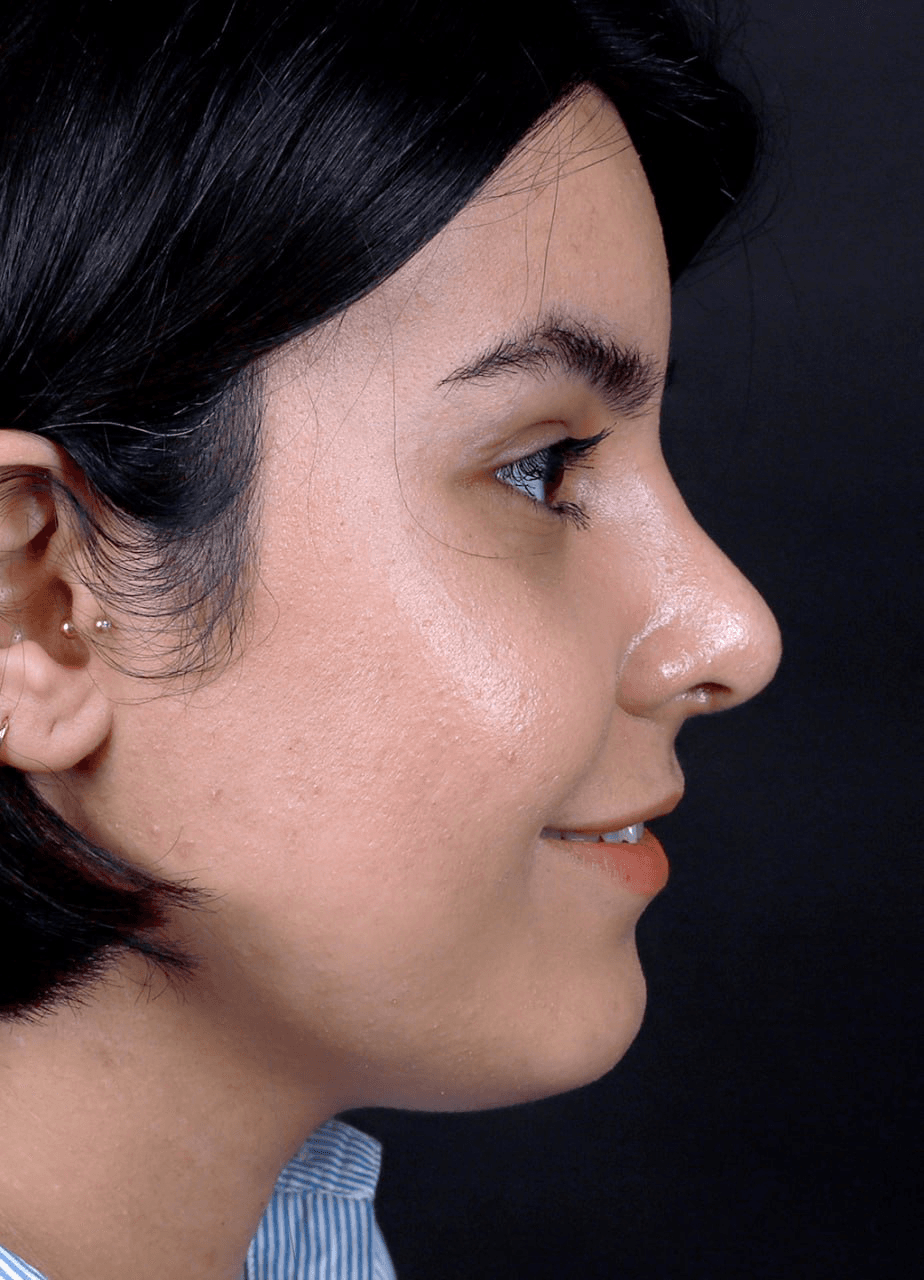
Maintaining a healthy lifestyle, including diligent sun protection, advances and preserves youthful results. Review before and after photos to better understand typical results achieved through this procedure.
Follow-up visits with your surgeon are important to ensure continued healing and to address any concerns early. Open communication with your surgical team improves satisfaction and safety.
Incisions and Scars
The location and extent of incisions vary based on the surgical technique selected and patient factors. Common incision approaches include:
Endoscopic Incisions
Typically three to five small incisions positioned within the scalp hairline allow insertion of an endoscope and surgical instruments. These small cuts are usually concealed by hair, resulting in minimal visible scarring.
Open (Coronal) Incisions
A longer incision stretching ear to ear across the top of the scalp behind the hairline or, in some cases, within a forehead crease. This approach suits patients who require greater skin and tissue adjustment. Scar visibility depends on hairline location and healing.
Limited Incision Techniques
Focused incisions placed near the temple areas in the temporal hairline facilitate lifting the outer eyebrow sections, concealed within the hair. When combined with upper eyelid surgery, incisions may also be placed in the upper eyelid crease.
While scars from brow lifts are inevitable, placement within hair or natural creases often makes them inconspicuous once healed.
Safety Considerations
Brow lift surgery is generally safe when performed by a board-certified aesthetic plastic surgeon with experience in facial procedures. However, like all surgeries, there are inherent risks and potential complications.
Common risks associated with brow lifts include, but are not limited to:
- Adverse reactions to anesthesia
- Hematoma or seroma formation requiring intervention
- Infection or bleeding complications
- Nerve injury resulting in altered sensation or movement
- Visible scarring or hair loss near incisions
- Allergic reactions to medications or materials
- Disappointing aesthetic outcomes potentially necessitating revision surgery
To minimize risks, follow all pre- and postoperative instructions carefully and maintain open communication with your healthcare team. Promptly report any unusual symptoms or concerns during recovery.
Associated Costs
The investment for a brow lift varies depending on multiple factors including surgeon expertise, geographic location, facility fees, and the specific technique employed. Since this is an elective cosmetic procedure, it is generally not covered by health insurance.
During your consultation, your surgeon will provide a detailed estimate tailored to your individual treatment plan, including associated costs such as anesthesia, facility charges, and postoperative care requirements.
While cost is important, prioritize selecting a qualified surgeon based on training, experience, and patient safety standards. Many practices offer financing options to support affordability.
Consider the value of achieving a safe procedure with outcomes aligned with your aesthetic goals over price alone. Ensure you understand all associated fees and contingencies before proceeding.