

Ear Surgery
Detailed Procedure Information
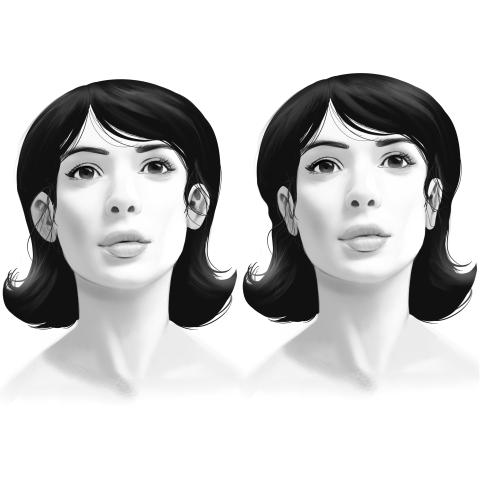
Ear surgery—also referred to as otoplasty, ear pinning, or ear reshaping—is a specialized cosmetic surgery designed to modify the ears’ size, shape, or position. This procedure is performed on both adults and children to improve ear appearance and facial harmony.
What is ear surgery?
Ear surgery is a corrective or aesthetic procedure that adjusts prominent or disproportionate ears. Whether the ears stick out excessively, one ear is positioned unevenly compared to the other, or the overall size seems out of proportion, otoplasty offers an effective surgical solution to refine ear contours and placement.
Why consider ear surgery?
Individuals select otoplasty for several reasons including:
- Positioning the ears closer to the head to reduce protrusion
- Creating more symmetrical ear alignment
- Reducing the size of disproportionately large ears
- Enhancing facial balance and overall aesthetics
- Boosting confidence and self-esteem by improving ear appearance
Important considerations before otoplasty
Before deciding on ear surgery, it’s essential to evaluate the following:
- You should be in good overall health with no active infections or chronic conditions that affect healing.
- Children under five years old are generally not candidates, as ear cartilage needs sufficient maturity.
- Postoperative supportive bandages or dressings will be necessary for optimal healing.
- Perfect symmetry may not be fully achievable depending on individual anatomy.
- While rare, complications such as permanent numbness or visible scarring can occur.
- Typical recovery duration is about one week, during which activity and care modifications are advised.
Selecting a Surgeon
Choosing a qualified ear surgery specialist
Selecting the right surgeon is critical to ensuring safe surgical outcomes and satisfactory aesthetic results. When evaluating surgeons for otoplasty, consider the following:
- Is the surgeon board-certified in plastic or aesthetic surgery?
- Do they have verifiable experience performing ear surgery procedures?
- If you are seeking surgery for a child, does the surgeon have pediatric otoplasty expertise?
- Review their before-and-after photographs to assess their aesthetic style and outcomes.
- Evaluate your comfort level and communication during the consultation.
- Check membership with professional organizations such as The Aesthetic Society as a marker of credentials and ongoing education.
For assistance in selecting a surgeon, find a board-certified surgeon near you or contact us for expert recommendations.
What to expect during your consultation
Your consultation will typically include:
- A thorough discussion of your goals and expectations for ear surgery.
- An examination of both ears, facial proportions, and skin quality.
- Photography to document your preoperative status and facilitate surgical planning.
- A review of your complete medical history including prior surgeries, medications, and allergies.
- An explanation of surgical options, possible outcomes, and potential risks or complications.
Bringing a list of questions to your consultation ensures you gain comprehensive understanding and confidence in your surgeon and procedure plan. Example questions include:
- Am I a suitable candidate for otoplasty?
- What surgical technique will you recommend for my ear shape?
- Where will incisions be placed and how visible will scars be?
- What anesthesia options are available for my surgery?
- What is the expected recovery timeline?
- What are the risks and how are complications managed?
Preparing for your Procedure
Preparing adequately for otoplasty
Your surgeon will provide detailed instructions tailored to your case, but general preparation guidelines include:
- Discontinuing smoking to promote optimal wound healing.
- Avoiding aspirin, anti-inflammatory medications, and certain herbal supplements that increase bleeding risk.
- Maintaining good hydration before and after surgery to support recovery.
- Following skin care advice, including gentle cleansing around ears and sun protection.
- Arranging for transportation on surgery day and planning to take sufficient time off for rest during the recovery period.
What to expect on the day of surgery
On your procedure day:
- You will be asked to fast as directed before your surgery to ensure safety under anesthesia.
- Wear loose, comfortable clothing that is easy to remove.
- The surgery may be performed in an accredited hospital, ambulatory surgical center, or office-based suite.
- Otoplasty typically lasts about two hours but can vary depending on complexity.
- Most patients receive general anesthesia, though local anesthesia with sedation may be appropriate for some adults.
- Vital signs will be closely monitored throughout the procedure.
- After surgery, you will be observed in a recovery area until cleared for discharge, usually the same day.
Aftercare & Recovery
Recovery timeline and care
The majority of otoplasty patients recover within approximately seven days. Adhering to the following recommendations facilitates healing and reduces complications:
- You will leave surgery with bandages wrapped around your ears. These dressings protect and support the new ear position.
- The initial bulky bandage is usually replaced with a lighter one within the first day or two, which you must keep in place until your surgeon advises otherwise.
- Pain medication may be prescribed to manage discomfort.
- A responsible adult should remain with you for at least the first 24 hours after surgery.
- Rest is essential during the first postoperative week, although gentle movement and walking are encouraged for circulation.
- Keep your head elevated and avoid resting it on the ears to minimize swelling and pressure.
- Your surgeon will instruct you on wound care, including any antibiotic ointment applications.
- Stitches may be removed about one week after surgery unless absorbable sutures are used.
- You can expect to resume work and light activities after the initial recovery phase, typically within a week.
What to expect beyond the first week
By two weeks post-surgery, the majority of swelling and bruising resolve, unveiling the surgical results. Minor refinements and tissue settling may continue for up to 12 months following the procedure.
Results
Longevity and maintenance of results
The results of ear surgery are generally permanent, provided there are no subsequent injuries or medical conditions affecting ear anatomy. Most patients observe substantial improvements immediately after recovery, with subtle outcome enhancements continuing for one year.
Postoperative considerations
After your surgery, returning for scheduled follow-up appointments is crucial to monitor healing and address any concerns promptly. Contact your surgeon without delay if you experience unusual symptoms or asymmetry.
Incisions and Scars
Incision placement for minimal visibility
The scar locations depend on the surgical technique used and the goals of the procedure. Most incisions are discreetly placed in one of the following locations:
- Behind the ear, where it meets the head
- Within natural folds and creases of the ear
- Sometimes inside the ear’s inner contours, hidden from view
Common surgical techniques involving incisions
- Ear Pinning: An incision is made to reposition the ear closer to the head, sometimes involving cartilage modification and permanent sutures.
- Ear Reshaping: Excess cartilage or soft tissue may be removed through an incision behind the ear to reduce prominence or size.
- Combined Approaches: Surgeons frequently employ a combination of techniques for optimal results.
Scar appearance and management
Otoplasty scars typically fade well and remain concealed in the postauricular area, making them difficult to detect. Surgeons may provide guidance on scar care strategies to further minimize visibility.
Safety Considerations
Potential risks and complications
Ear surgery is a safe and effective procedure when performed by an experienced board-certified plastic surgeon. Nevertheless, as with any surgery, risks exist and should be discussed thoroughly. Possible complications include:
- Adverse reactions to anesthesia
- Hematoma or seroma formation requiring intervention
- Infection or excessive bleeding
- Temporary or permanent changes in skin sensation
- Visible scarring
- Allergic reactions to materials used
- Damage to surrounding tissues
- Unsatisfactory aesthetic outcomes potentially necessitating revision surgery
Postoperative warning signs requiring medical attention
If you experience any of the following during recovery, contact your surgeon immediately:
- Persistent or worsening swelling and redness beyond two weeks
- Fever exceeding 101°F (38.3°C)
- Dizziness, nausea, confusion, hallucinations
- Severe uncontrolled pain despite medication
- Excessive bleeding or fluid accumulation around the ears
- Marked asymmetry or unusual distortion of the ears
Long-term risk considerations
- Visible or thickened scar tissue
- Permanent numbness or altered ear skin sensitivity
- Infection or bleeding complications
- Asymmetry due to healing differences or cartilage shifting
Strictly following your surgeon’s preoperative and postoperative instructions substantially lowers the likelihood of complications and supports a smooth recovery.
Associated Costs
Understanding the expenses of ear surgery
The total cost of otoplasty can vary widely depending on multiple factors such as the surgeon’s experience, the complexity of the procedure, geographic location, and surgical facility fees.
During your consultation, your surgeon will provide an estimate tailored to your specific needs. This may include the surgeon’s fee, anesthesia charges, operating room costs, medications, and postoperative care items.
Insurance coverage and financing options
Since otoplasty is generally considered an elective cosmetic surgery, insurance is unlikely to cover the procedure unless it is performed for medical reasons such as ear deformities causing functional issues. Many clinics offer financing plans to assist patients in managing payment responsibly.
Selecting quality over cost
Choosing your surgeon and facility based on qualifications, skill, and reputation ensures higher safety and outcome satisfaction. The priority should be on receiving expert care rather than selecting solely on lower price.
Members of The Aesthetic Society uphold rigorous standards of education and ethics, guaranteeing you access to trustworthy, highly trained surgeons. Learn more about the value of certified membership.