
Fat Transfer
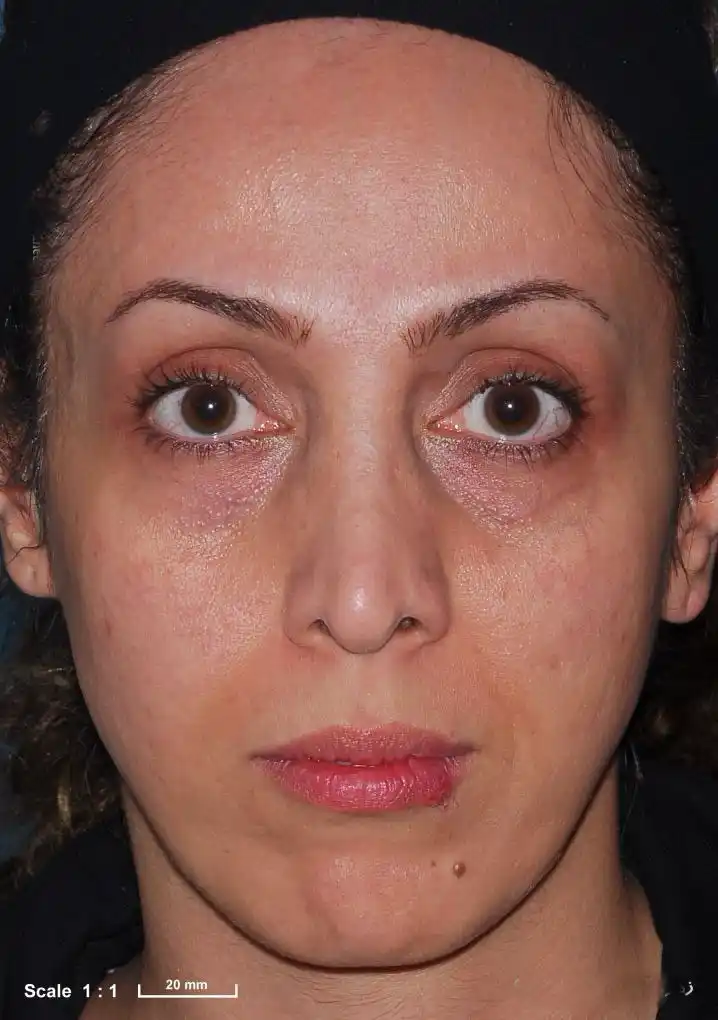
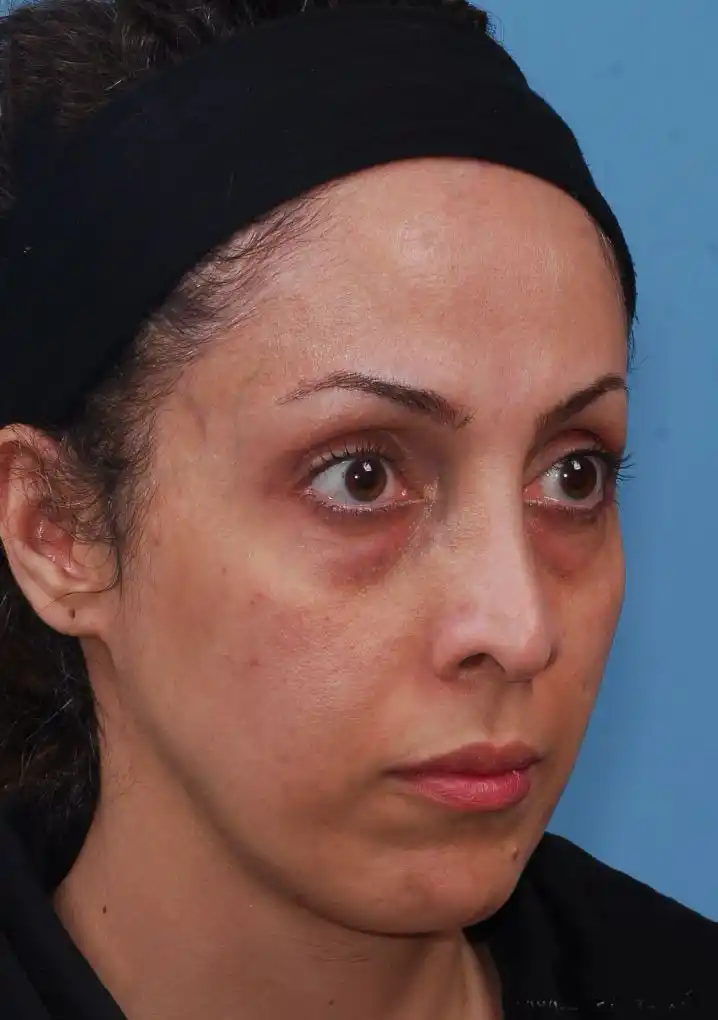
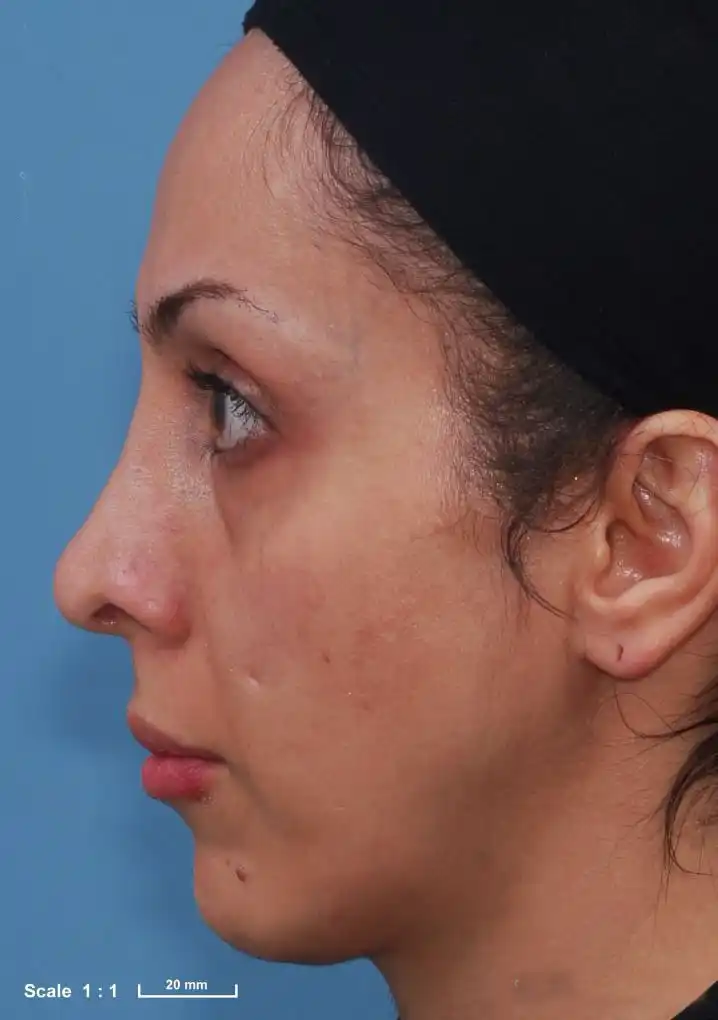


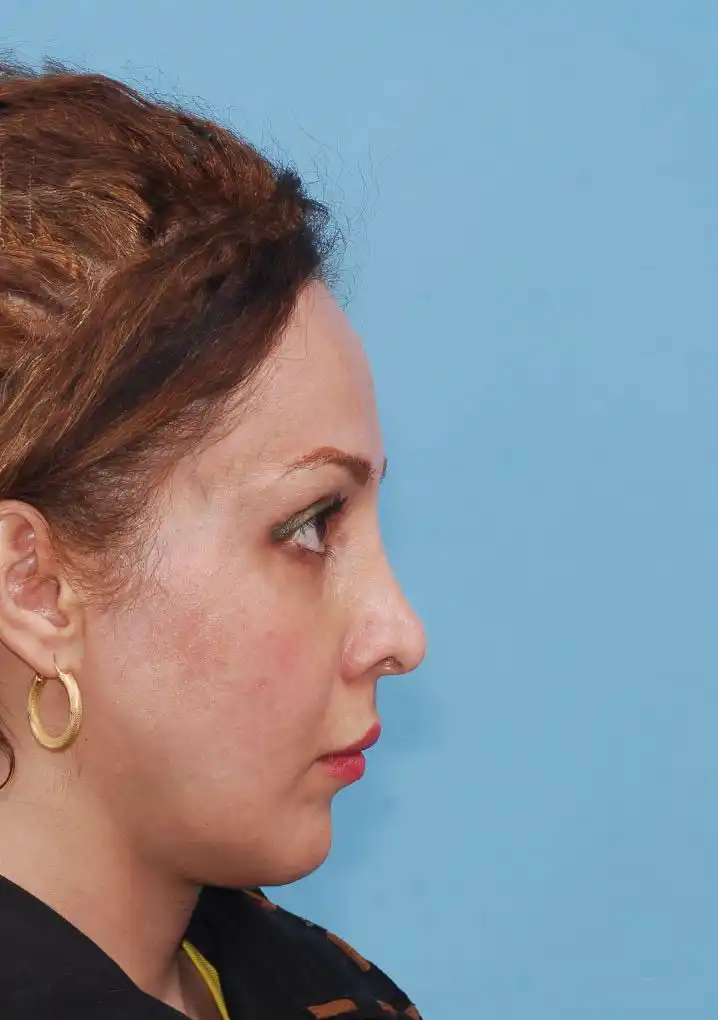
Detailed Procedure Information
Fat transfer, also termed fat grafting or autologous fat injection, is a transformative cosmetic procedure that harnesses your own body fat to enhance volume in targeted regions. Excess fat is gently harvested from donor sites such as the outer thighs, abdomen, or hips and meticulously purified before being reinjected into areas requiring augmentation. This technique offers a natural alternative to synthetic fillers, often yielding longer-lasting improvements in facial contours, hands, breasts, or buttocks.
Purpose and Benefits of Fat Transfer
Primarily aimed at restoring or adding volume, fat transfer can rejuvenate and sculpt various areas, with the following key advantages:
- Redistributes unwanted or excess fat to desired zones.
- Revives youthful fullness in the face, lips, and hands for a refreshed appearance.
- Corrects indentations or irregularities resulting from previous surgeries, such as liposuction or scars.
- Enhances breast size and shape without implants in select cases.
- Improves the contour and roundness of the buttocks by using natural tissue.
- Helps reduce allergic reactions as it uses your own fat instead of foreign materials.
- Provides more natural feel and often longer-lasting outcomes compared to dermal fillers.
- Boosts self-confidence through subtle, harmonious results.
Eligibility and Considerations Before Fat Transfer
To ensure safety and optimal outcomes, patients should discuss candidacy with their plastic surgeon. General guidelines include:
- Being in good overall health without chronic illnesses affecting healing.
- Non-smokers or willingness to quit smoking prior to surgery.
- Absence of circulatory problems or blood-clotting disorders.
- Realistic expectations regarding the number of sessions required, especially for augmentation purposes.
- Understanding that recovery varies depending on the extent of fat removal and treatment area.
Selecting a Surgeon
Choosing a Qualified Fat Transfer Specialist
Choosing the right plastic surgeon is pivotal for a successful fat transfer procedure. Consider these essential factors:
- Certification and Credentials: Confirm your surgeon is board-certified in plastic surgery and has specialized training in fat grafting techniques.
- Experience: Evaluate how many fat transfer procedures they have performed and their expertise with your particular augmentation area.
- Portfolio of Results: Review before and after photos of previous patients to gauge the quality of their outcomes.
- Professional Affiliations: Membership in reputable organizations, such as The Aesthetic Society, signifies adherence to high ethical and safety standards.
- Personal Comfort: Ensure effective communication and trust during consultations.
After shortlisting qualified surgeons, schedule consultations to discuss your goals and get personalized recommendations.
Consultation Expectations
A typical consultation includes a thorough medical history review, physical examination, and detailed discussions about your aesthetic goals, including:
- Assessment of skin elasticity and fat availability at donor sites.
- Discussion of potential results and whether multiple sessions might be necessary.
- Review of possible alternative or complementary procedures to meet your desired look.
- Evaluation of risks, recovery process, and costs involved.
Be ready to provide comprehensive information about your health status, medication use, allergies, previous surgeries, and lifestyle habits such as smoking or alcohol intake.
Key Questions to Ask Your Surgeon
- Am I an appropriate candidate for fat transfer?
- What results can I realistically expect?
- Can I see examples of your previous fat transfer work?
- How many fat transfer procedures have you personally performed?
- What anesthesia will be used and where will the procedure take place?
- What will the scars look like and where will the incisions be?
- What is the anticipated recovery time and activity restrictions?
- What are the potential risks, complications, and management options?
- What are the financial costs involved, and are financing options available?
Preparing for your Procedure
reoperative Preparation Guidelines
Proper preparation enhances the safety and effectiveness of your fat transfer. Your surgeon will provide personalized instructions but generally, you should:
- Avoid tobacco and nicotine products well before surgery to optimize healing.
- Stop aspirin, NSAIDs, and certain herbal supplements that may increase bleeding risk, under your surgeon’s guidance.
- Maintain good hydration before and after the procedure to support recovery.
- Arrange for a responsible adult to drive you home post-surgery and assist you for at least 24 hours.
Day of Surgery Expectations
Your fat transfer surgery may be performed in an accredited hospital, ambulatory surgery center, or specialized office-based suite. The procedure duration varies depending on treatment areas and the amount of fat harvested.
- Anesthesia options include local anesthesia with sedation or general anesthesia, tailored to your needs and surgeon’s recommendation.
- Monitors for vital signs will be used throughout for your safety.
- Your surgeon may adapt the surgical plan during the procedure for optimal outcomes.
- Following surgery, you will be moved to a recovery area for observation.
- You may wear compression garments to minimize swelling and help skin retraction, with some soreness comparable to muscle fatigue.
- If applicable, small drainage tubes may be placed to prevent fluid accumulation and you will be instructed on their management.
Aftercare & Recovery
Recovery Timeline and Care Instructions
Recovery varies based on the extent of fat harvest and treatment areas. Your surgeon will advise when you may resume daily activities and work.
Aftercare instructions typically address:
- Management of any drains placed during surgery.
- Recognizing and responding to normal postoperative symptoms versus signs of complications.
- Prescribed medications and wound care protocols.
While some swelling and bruising are expected during the initial weeks, the most noticeable improvements generally appear after the first 7 to 10 days, with gradual resolution over several weeks.
Typical Recovery Course
- Initial anesthesia effects wear off with some discomfort manageable by prescribed pain relief.
- Compression garments help reduce swelling and should be worn as advised, often for several weeks.
- Fluid leakage from incision sites may occur temporarily; drainage care is essential if tubes are used.
- Bruising and swelling peak during the first week, often limiting social interactions.
- Swelling diminishes significantly by the end of the second week.
- Makeup may be used after the third week to conceal residual discoloration if the treatment was facial.
- Subtle swelling can persist for months but typically does not affect final outcomes.
Results
Expected Outcomes and Duration of Results
Fat transfer aims to create softer, fuller contours with a refreshed, natural appearance. Full effects may take several months as swelling subsides and the grafted fat establishes blood supply.
The durability of results depends on factors including surgical technique, fat processing quality, and careful placement of the grafts. Micro fat grafting methods, which deposit fat in tiny parcels, optimize fat survival and integration into recipient tissues. When successful, fat grafts can provide permanent enhancement, though some reabsorption of transferred fat is normal and may require touch-up treatments for volume maintenance.
Postoperative Considerations
Adhering to follow-up schedules for professional evaluations maximizes results and safety. Contact your surgeon promptly if you detect any unexpected changes or adverse symptoms at the treatment sites.
Incisions and Scars
Appearance and Location of Incisions
Incisions related to fat transfer generally stem from the small entry points required for liposuction at donor sites. These incisions tend to be minimal and strategically hidden in natural skin creases or inconspicuous areas. However, in some locations, complete concealment may not be possible.
Scar Management
Board-certified surgeons employ meticulous techniques to minimize scarring and optimize cosmetic outcomes. Factors influencing scar visibility include surgical skill, your skin type, postoperative care, and genetic predisposition.
Patients with darker skin tones or those who require larger cannulas for fat harvest may notice more pronounced scarring initially. Aside from true scar tissue, some patients may experience dyschromia, which presents as areas of skin discoloration either darker or lighter than the surrounding tissue. Most scars gradually fade over time and become barely noticeable.
Safety Considerations
Potential Risks and Complications
Although fat transfer is generally safe with low complication rates, it carries inherent risks common to all surgical procedures. Discuss these thoroughly with your surgeon to ensure informed consent:
- Possible adverse reactions to anesthesia.
- Hematomas or seromas requiring drainage.
- Postoperative infections or bleeding.
- Nerve sensitivity changes, including temporary numbness or tingling.
- Visible or hypertrophic scarring.
- Allergic reactions, though rare given the use of autologous tissue.
- Injury to underlying tissues or structures.
- Suboptimal aesthetic outcomes necessitating revision surgery.
Following your surgeon’s instructions diligently before and after the procedure plays a critical role in reducing these risks and supporting a smooth recovery.
Associated Costs
Understanding the Financial Investment
The expense of fat transfer procedures varies widely based on the surgeon’s experience, geographical location, the extent of fat harvest, and complexity of the grafting sites. Because this is a cosmetic procedure, costs are not typically covered by insurance.
During your consultation, your surgeon will provide a detailed estimate tailored to your individual treatment plan. This estimate often includes surgeon fees and facility charges but may exclude anesthesia, preoperative testing, medications, garments, and other ancillary costs.