

Breast Reduction Surgery
Detailed Procedure Information
Understanding Breast Reduction Surgery
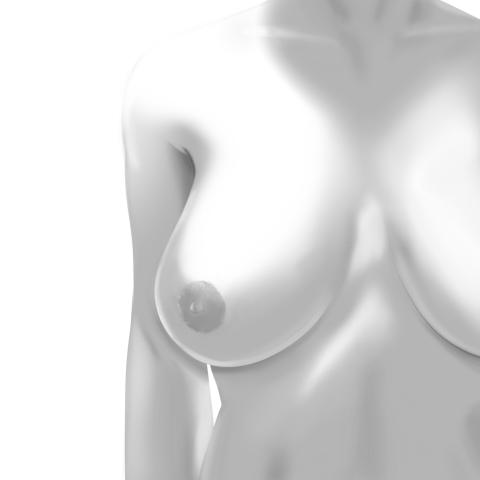
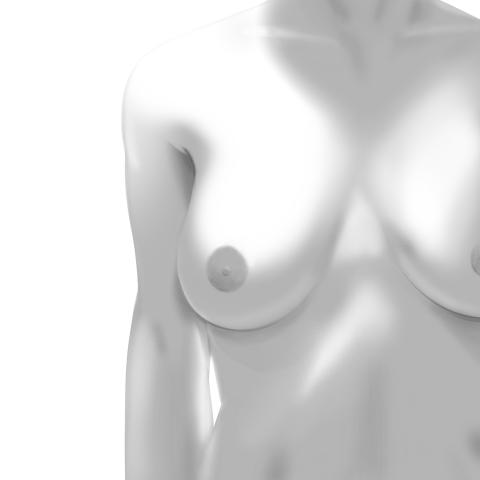
This procedure is tailored for individuals experiencing discomfort due to disproportionately large breasts. Causes can include genetics, hormonal influences, weight fluctuations, or changes following pregnancy and breastfeeding. Breast reduction is a common solution to relieve symptoms such as neck, back, and shoulder pain, skin irritation, difficulty with breathing, posture problems, uneven breasts, and challenges finding suitable clothing.
Who is a Suitable Candidate?
Ideal candidates are generally in good health, have completed breast development, and have realistic expectations regarding the surgery outcomes. Consultation with a qualified plastic surgeon is essential to evaluate personal circumstances, including medical history, breast size and shape, skin quality, and whether plans for future pregnancies or breastfeeding exist. Some conditions such as diabetes, blood clotting disorders, smoking, and certain breast health issues might affect eligibility or timing of surgery.
Benefits of Breast Reduction Surgery
- Reduction and reshaping of breast size for improved body balance
- Relief from back, neck, and shoulder discomfort caused by heavy breasts
- Improved posture and breathing capability
- Increased ease finding well-fitting clothes and bras
- Boosted self-confidence and overall quality of life
Selecting a Surgeon
Choosing the Right Specialist for Your Breast Reduction
Finding a board-certified aesthetic plastic surgeon with significant experience in breast reduction is crucial for achieving safe and satisfying results. When selecting your surgeon, consider the following:
- Certification and training specifically in plastic and reconstructive surgery
- Demonstrated expertise and extensive experience performing breast reductions
- Portfolio of before and after photos showcasing results
- Professional memberships, such as membership in The Aesthetic Society
- Your personal comfort and communication with the surgeon
The Aesthetic Society’s members adhere to high standards of education, ethical practice, and patient safety, specializing in surgeries including breast reductions. Visit our Find a Surgeon Near You page for qualified providers.
What to Expect During Your Consultation
Your initial consultation allows an in-depth discussion about your personal goals, medical background, and the surgical options tailored to meet your needs. The surgeon will perform a physical assessment, measuring and photographing your breasts, while considering:
- Your current breast size, shape, and skin quality
- Your desired breast size and contour
- The position of your nipples and areolas
- Overall health and any relevant medical history, including previous surgeries and family history of breast cancer
It is important to share your future pregnancy or breastfeeding plans, as these can impact the procedure choice and timing.
Questions to Ask Your Surgeon
Engage actively by asking your surgeon relevant questions such as:
- Am I a good candidate for breast reduction?
- What surgical technique do you recommend for me and why?
- Can I see before and after photos from previous patients?
- What are the possible risks and complications?
- What is the expected recovery time and aftercare?
- Where will the surgery be performed, and what anesthesia will be used?
Feel free to ask follow-up questions or seek a second opinion if you are uncertain about your options or surgeon choice.
Preparing for your Procedure
Steps to Prepare for Breast Reduction Surgery
Preparation starts with a comprehensive medical evaluation to assess overall health and suitability for surgery. Your surgeon may request diagnostic tests such as a mammogram, EKG, or chest X-ray before proceeding.
Preoperative Guidelines:
- Avoid medications that increase bleeding risk, including aspirin and certain herbal supplements
- Cessation of smoking at least six weeks prior to surgery to optimize healing
- Maintain proper hydration and limit alcohol consumption
- Plan your recovery space with accessible supplies and comfortable clothing that front-open for ease of dressing post-surgery
- Arrange for help following surgery during your recovery period, particularly if you care for young children
- Practice resting and sleeping with your upper body elevated to reduce swelling
- Avoid hot baths, saunas, and strenuous activities prior to surgery
Day of Surgery Expectations
Surgical day procedures vary but usually include:
- Use of antibacterial cleansing prior to arrival
- No makeup, lotions, or jewelry
- Wearing loose, comfortable clothes and easy footgear
- Administration of anesthesia (most commonly general anesthesia)
- Careful monitoring of vital signs during surgery
- Application of dressings and potentially drainage tubes after surgery
- Postoperative observation before discharge (typically outpatient unless otherwise indicated)
Aftercare & Recovery
Breast Reduction Recovery Timeline
Recovery usually spans one to two weeks, during which rest and proper wound care are vital. Your surgeon will provide detailed instructions regarding care of incisions, drain management if applicable, pain control, signs of potential complications, and activity restrictions.
Immediately Following Surgery
- General anesthesia may cause initial grogginess and disorientation
- Your breasts will be wrapped in surgical dressings; drains may be in place
- Wearing a surgical bra and compression stockings may be recommended to support healing and prevent blood clots
- Some pain, swelling, and bruising is expected and should be managed with prescribed medications
- Elevate your torso when resting and sleeping using pillows or recliner chairs
- Avoid strenuous motion, heavy lifting, and bending to reduce swelling or bleeding risk
Ongoing Healing Process
- Drains are generally removed within the first week during follow-up visits
- Keep sutured incision sites dry and follow wound care instructions cautiously
- Bruises and swelling usually subside over several weeks to months
- Changes in nipple sensation can occur but often improve with time
- Resuming light activity is encouraged early, but strenuous exercise should wait at least three to four weeks
- Full recovery of range of motion often occurs within six to ten weeks
Regular follow-up with your surgeon ensures healing is progressing as expected and allows management of any concerns promptly.
Results
Longevity of Breast Reduction Outcomes
Breast reduction provides long-lasting results with properly selected candidates undergoing surgery by board-certified surgeons. However, normal aging, gravity, weight fluctuations, and pregnancy can influence breast appearance over time. Combining breast reduction with a lift may enhance the durability of results.
Postoperative Considerations
Maintaining a stable weight and healthy lifestyle supports the longevity of your surgical outcomes. Consistent follow-up appointments allow your surgeon to monitor the results and address any functional or aesthetic concerns. Patient satisfaction rates with breast reduction are generally high due to significant relief from physical symptoms and improved self-image.
Incisions and Scars
Common Types of Breast Reduction Incisions
Incision patterns are determined based on individual anatomy, desired reduction amount, degree of sagging, and skin quality. The primary incision types include:
- Around the areola: Circumferential cut surrounding the nipple-areola complex
- Vertical incision: Extends downward from the areola to the inframammary fold (breast crease)
- Horizontal incision: Runs along the breast crease underneath the breast
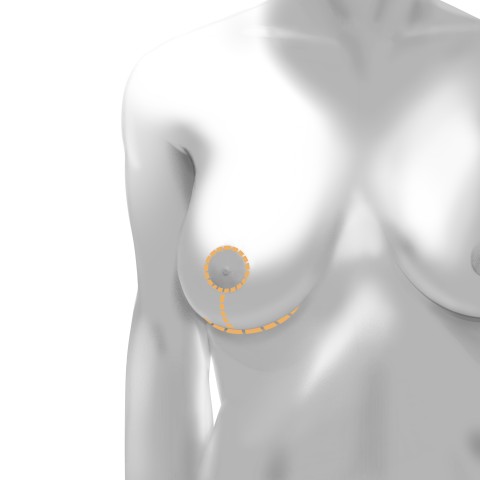
“Anchor” Incision
The most common and versatile technique, this involves three incisions: around the areola, vertically down from the areola to the breast crease, and horizontally along the breast crease. It is ideal for significant size reductions or severe sagging, allowing extensive skin and tissue removal and comprehensive reshaping. This method leaves the most visible scarring but provides pronounced reshaping potential.
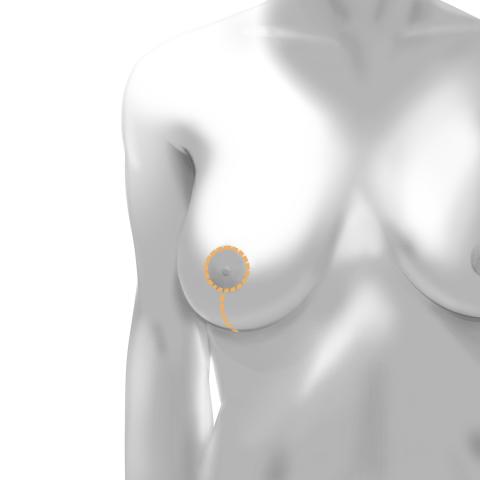
“Keyhole” or “Lollipop” Incision
Consisting of two cuts—around the areola and vertically down to the breast crease—this method suits moderate breast reductions and mild to moderate sagging, resulting in less scarring than the anchor technique.
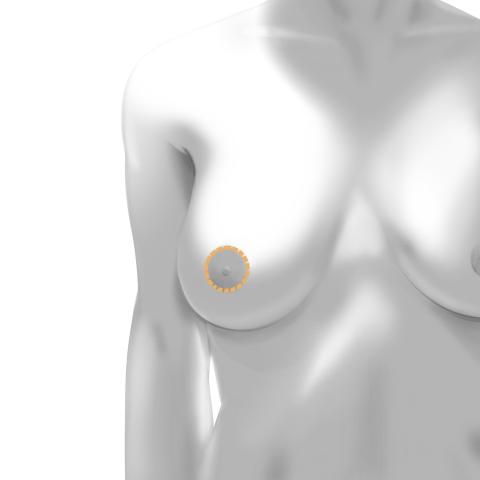
“Donut” or Periareolar Incision
This approach involves a single incision around the areola, offering minimal scarring for minor reductions or adjustments. It is limited in how much tissue can be removed or reshaped and best suited for patients with excellent skin elasticity and small sagging degrees.
Severe Reductions with Nipple Grafting
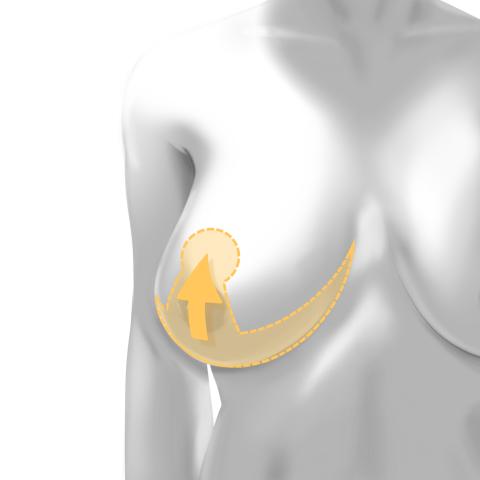
In rare cases involving very large breasts, the surgeon may completely detach the nipple-areola complex and reposition it as a graft to the new location. This technique has higher risks including potential loss of nipple sensation and inability to breastfeed.
Scar Healing Expectations
Though all breast reduction patients will have scars, skillful incision placement in natural breast folds helps camouflage them. Scars typically become less visible over time, transitioning from red or pink to lighter tones. Meticulous surgical technique and diligent postoperative care are key factors in scar quality.
Safety Considerations
Risks and Potential Complications
Breast reduction is generally safe when performed by experienced board-certified surgeons in accredited facilities; however, as with all surgeries, there are inherent risks. Common potential complications include:
- Adverse reactions to anesthesia
- Hematoma or fluid accumulation beneath the skin, sometimes necessitating drainage
- Infection and bleeding
- Altered nipple or breast sensation, often temporary but occasionally permanent
- Poor scarring, hypertrophic or keloid scars
- Asymmetry in breast size or shape
- Damage to underlying breast structures
- Allergic reactions to surgical materials or medications
- Unsatisfactory aesthetic results potentially requiring revision surgery
Specific Considerations for Breast Reduction
- Some patients experience temporary or permanent numbness around nipples and areolas
- Rarely, blood supply to the nipples can be compromised, risking tissue loss
- Post-surgical breastfeeding may be challenging or impossible, especially in extensive reductions
Adhering to your surgeon’s pre- and post-operative instructions is essential to minimize these risks and promote optimal healing.
Associated Costs
Insurance Coverage
Breast reduction surgery may be partially or fully covered by health insurance if deemed medically necessary. Coverage criteria vary among providers and typically depend on factors like body mass index, symptoms caused by breast size, and previous medical treatments attempted. Your surgeon will assist with documentation to support insurance claims and help navigate the approval process.
Cost Factors
The total cost of breast reduction varies widely depending on geographic location, the surgeon’s experience, the facility used, anesthesia costs, and complexity of the procedure. During your consultation, ask for a detailed cost estimate including all expected fees such as surgeon’s fees, operating room charges, anesthesia, medical testing, post-surgical garments, and prescriptions.
Choosing Quality Over Cost
While price is an important consideration, selecting your surgeon should be primarily based on qualifications, experience, and patient safety credentials. Board-certified aesthetic plastic surgeons who are members of reputable professional organizations uphold high standards of care and ethical practice, giving you the best chance for a safe procedure with excellent results.
For more information on choosing a qualified surgeon visit The Aesthetic Society’s membership info page.