

Liposuction
Detailed Procedure Information
Why Consider Liposuction?
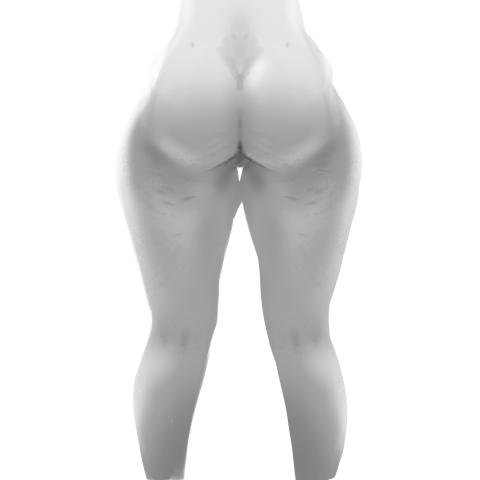
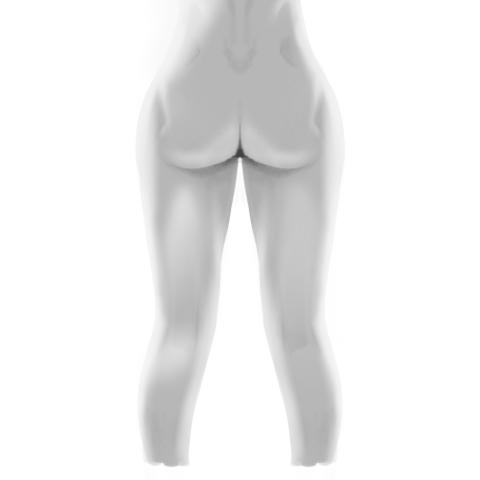
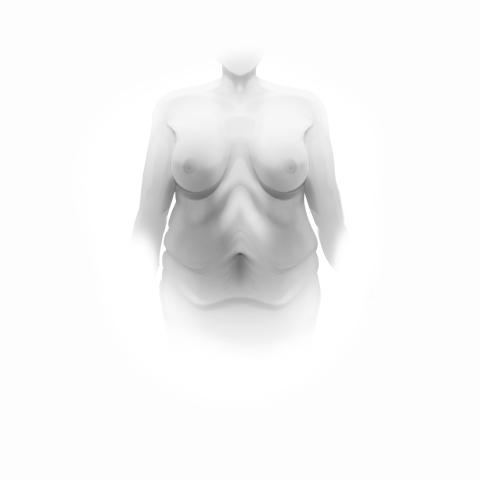
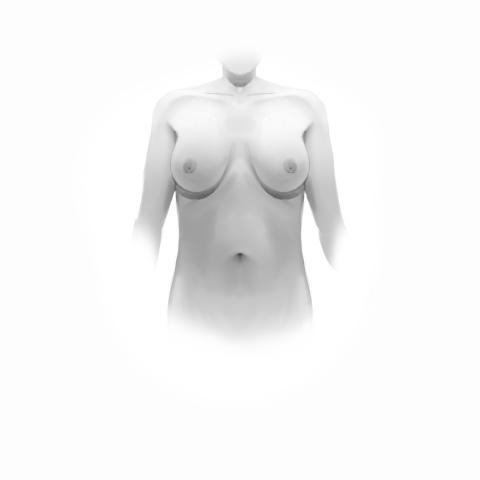
Despite healthy lifestyle habits, many individuals encounter persistent fat pockets in areas such as the abdomen, hips, thighs, buttocks, arms, chest, neck, and sometimes breasts. Liposuction offers a solution when these accumulations do not respond adequately to diet or exercise. Potential benefits include:
- Removal of stubborn fat deposits
- Enhanced body definition and slimmer contours
- Improved fit and appearance of clothing
- Increased self-confidence and positive body image
Important Considerations Prior to Liposuction
Your candidacy for liposuction will be carefully assessed by your aesthetic plastic surgeon, but some general factors include:
- Being in good overall physical health
- Maintaining a stable weight, generally within 20 pounds of your ideal body weight
- Having good skin elasticity with minimal redundant skin, as liposuction does not provide significant skin tightening
- Non-smoking status to promote optimal healing and reduce surgical risks
- Realistic expectations regarding the outcome and understanding that lifestyle factors following surgery affect long-term results
- Understanding the recovery period usually involves several days to about a week, though this can vary depending on the extent of fat removal
Selecting a Surgeon
Choosing a Qualified Surgeon
Selecting an experienced and board-certified aesthetic plastic surgeon is crucial for liposuction success and safety. Important criteria to consider include:
- Verified education, training, and board certification in plastic surgery
- Extensive experience specifically with liposuction and body contouring procedures
- Portfolio of before and after patient photos demonstrating consistent, high-quality results
- Your comfort level and trust in the surgeon’s communication and care approach
- Membership in professional organizations such as The Aesthetic Society, which upholds rigorous standards for members
Your Initial Consultation
The consultation appointment is an essential step where you discuss your goals and medical background, and the surgeon evaluates your suitability for liposuction. Be prepared to talk about the following:
- Your aesthetic goals and expectations
- Medical history including prior surgeries, any chronic conditions like hypertension or diabetes, and medications or allergies
- Current weight and any recent weight fluctuations
- Skin quality and elasticity assessments
- Potential alternative or complementary treatments if appropriate
During the consultation, your surgeon may also use photography or 3D imaging to help plan your treatment and set realistic expectations. You should also ask about:
- Your candidacy for liposuction and expected results
- Details about the procedure location, anesthesia methods, and estimated duration
- Potential scarring and incision sites
- Expected recovery timeline and postoperative care requirements
- Risks, complications, and contingency plans
- Financial considerations and payment options
Preparing for your Procedure
Preoperative Preparation
Your surgeon will provide detailed instructions to optimize your health and prepare your body for surgery. Preparation steps often include:
- Achieving a stable and healthy weight; weight loss may be recommended if you plan to lose a significant amount
- Quitting smoking well in advance to reduce risks and improve healing
- Avoiding medications and supplements that increase bleeding risk, such as aspirin and certain anti-inflammatory drugs
- Hydrating adequately before and after your procedure to aid recovery
Since liposuction is typically an outpatient intervention, you should arrange for transportation and post-procedure supervision for at least the first night following surgery. In cases involving large volume fat removal, an overnight stay at a surgical facility may be advised.
Day of Procedure Expectations
- Procedures are performed in accredited hospitals, ambulatory surgery centers, or specialized office-based suites
- Duration typically ranges around 90 minutes but varies with the amount and number of areas treated; some sessions may last over three hours for multiple extensive sites
- Comfort will be maintained via local anesthesia with sedation or, in some cases, general anesthesia
- Continuous monitoring of vital signs such as heart rhythm, blood pressure, pulse, and oxygen saturation during surgery enhances safety
- Incisions will be small, and treatment techniques might be adjusted intraoperatively to deliver the best contouring outcome
- After surgery, you will be moved to a recovery area for close observation
- Compression garments will be fitted postoperatively to assist skin retraction and reduce swelling; in some cases, drains may be placed to remove excess fluid
Your surgeon will provide you with comprehensive instructions about the immediate postoperative period and follow-up plans before discharge.
Aftercare & Recovery
Typical Recovery Timeline
The rate of recovery varies by individual and extent of surgery. Your surgeon will guide you on when to cautiously resume daily activities and work responsibilities. Key aspects of recovery care include:
- Management of surgical drains, if applicable
- Awareness of normal postoperative symptoms and signs that warrant medical attention
- Strict adherence to prescribed wound care, medications, and follow-up appointments
Additional guidance and resources for postoperative care are available at Aftercare & Recovery.
Initial Days Post-Surgery
- Expect some pain as anesthesia wears off, typically manageable with prescribed analgesics
- Common side effects include swelling, bruising, and occasional fluid drainage from incisions
- Compression garments will be worn continuously, often for several weeks, to support healing and contouring
- Rest and elevation of treated areas help minimize swelling and discomfort
- Avoid strenuous movements such as heavy lifting or bending to prevent strain on healing tissues
First Few Weeks
- Swelling typically peaks around 48 hours post-op and then gradually subsides over several weeks, with residual swelling possibly persisting up to four months
- Bruising tends to resolve within one to two weeks
- Sutures (if non-absorbable) are generally removed around 7–10 days after surgery
- Gentle walking is encouraged soon after surgery to reduce the risk of blood clots
- Smoking, alcohol, aspirin, and anti-inflammatory drugs should be avoided during this period to support healing and reduce complications
- Return to sedentary work may occur after a few days, but physically demanding tasks should be postponed
Long-Term Recovery
- Continue wearing compression garments as directed, typically for four to six weeks or longer
- Avoid exposure to sun and heat, including tanning, for at least six weeks to prevent prolonged swelling and pigmentation changes
- Final results gradually become evident as swelling resolves; significant improvements are usually seen within several months
- Regular follow-up visits are critical to monitor healing and address any concerns promptly
Results
Longevity of Outcomes
Patients often notice improved body shapes shortly after the procedure, but true results fully manifest over a period of months as swelling dissipates. Temporary fluctuations in swelling with exercise or activity can persist for 6 to 9 months.
The fat cells removed during liposuction do not regenerate, so the contour improvements are considered permanent. However, factors such as lifestyle, weight fluctuations, pregnancy, aging, and genetics can impact your final silhouette over time. Maintaining a balanced diet and regular exercise regimen is essential for preserving outcomes.
It is important to understand that not all fat cells are removed from treated areas; remaining fat cells can enlarge if weight gain occurs, potentially altering your results. Fat may also accumulate in untreated regions, which might affect symmetry and overall appearance.
To visualize typical results, you may review our before and after gallery, which showcases numerous successful liposuction transformations.
Postoperative Considerations
Regular follow-ups with your plastic surgeon are critical to monitor progression and address any changes or concerns throughout your recovery. Contact your provider immediately if you notice unusual symptoms or if you feel uncertain about your healing process.
Incisions and Scars
Incision Placement and Types
The strategic placement of small incisions facilitates access for cannulas to remove fat deposits. The exact number and location of these incisions depend on the areas being treated. In most cases, incisions are minimal and positioned discreetly in natural skin folds or less visible areas to conceal scarring.
Scar Characteristics
While liposuction incisions are small, you can expect some residual scarring at these sites. Your surgeon will make every effort to minimize scar size and visibility by using meticulous techniques, selecting inconspicuous locations, and providing post-operative scar management advice.
The appearance of scars can vary according to individual healing tendencies, skin type, and the extent of treatment. Two common scar-related effects include:
- True scars: Fibrous tissue marking the former incision site, typically fading over time to fine lines barely noticeable to the eye.
- Dyschromia: Changes in pigmentation leading to lighter or darker spots at the incision area, more common in patients with darker skin tones.
Patients who require larger cannulas or more extensive fat removal may experience more noticeable scarring. Strict adherence to post-surgical care instructions improves scar outcomes.
Safety Considerations
Risks and Potential Complications
Liposuction is generally safe when performed by a qualified, board-certified aesthetic plastic surgeon. However, risks inherent to all surgical procedures cannot be eliminated entirely. Possible complications include:
- Adverse reactions to anesthesia
- Hematoma or seroma formation (accumulations of blood or fluid beneath the skin requiring drainage)
- Infection or excessive bleeding
- Temporary or permanent changes in skin sensation
- Unfavorable scarring
- Allergic responses to medications or materials
- Damage to underlying tissues such as nerves or blood vessels
- Suboptimal aesthetic outcomes requiring revision surgery
Specific risks associated with liposuction include:
- Surface irregularities such as indentations or contour deformities
- Uneven fat removal leading to asymmetry
To reduce risk, patients must adhere strictly to all pre- and postoperative instructions provided by their surgeon. Choosing an experienced, board-certified plastic surgeon and following safety guidelines significantly enhances successful outcomes.
Associated Costs
Understanding the Costs of Liposuction
The total expense for liposuction varies depending on multiple factors such as the surgeon’s expertise, the geographic location of the clinic, and the number and size of treatment areas. During your consultation, your surgeon will provide a personalized estimate based on your individual needs.
It is important to consider that quoted procedure costs often include the surgeon’s fee and facility expenses but may not cover anesthesia, preoperative tests, surgical garments, medications, or postoperative visits.
Insurance and Financing Options
Liposuction is categorized as an elective cosmetic surgery, so it is not usually covered by health insurance plans. Many clinics and surgeons offer flexible financing or installment plans to help patients manage the financial investment involved in their aesthetic improvements.
Choosing Value Over Price
When selecting a surgeon, prioritize credentials, experience, and patient safety over cost alone. The results and safety provided by board-certified aesthetic plastic surgeons who adhere to rigorous standards are invaluable and essential to achieving the best outcome with minimal risks.