

Thigh Lift
Detailed Procedure Information
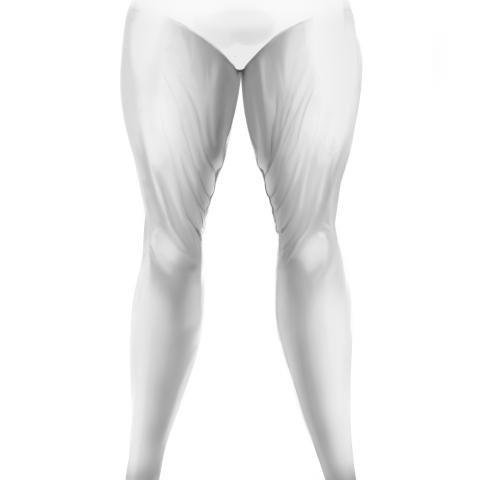
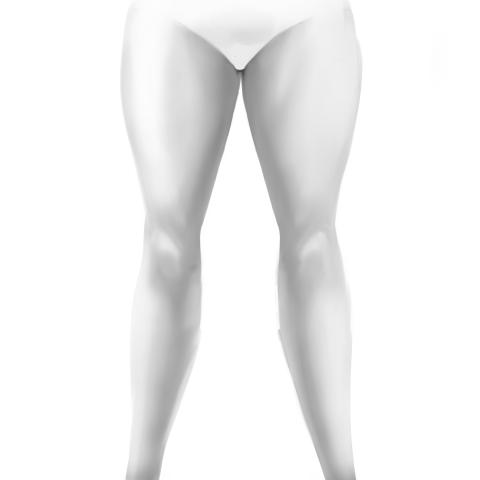
The thigh lift, also termed thighplasty, is a cosmetic surgical technique designed to enhance the contour and tone of the thighs by eliminating excess skin and fat deposits from the inner and/or outer thigh regions. This procedure targets sagging, flabby skin that may not respond effectively to traditional weight loss methods such as diet and exercise.
Who May Benefit from a Thigh Lift?
This surgery is particularly beneficial if you experience any of the following conditions:
- Excessive, loose thigh skin following significant weight reduction or bariatric surgery.
- Sagging and cellulite that appear due to natural aging processes.
- Difficulty finding clothing that fits comfortably due to thick or uneven thigh contours.
Benefits of a Thigh Lift
- Removal of surplus skin and fat from the thigh area.
- Tightening and smoothing of loose, sagging skin.
- Improvement in the firm, youthful shape of the thighs.
- Creation of a more proportionate and aesthetically pleasing silhouette.
- Enhanced confidence and ability to wear preferred clothing styles comfortably.
Important Considerations Prior to Surgery
- You should be in good general health before undergoing surgery.
- Smoking cessation is mandatory as smoking can impede healing and increase complications.
- Visible scarring is an unavoidable outcome and should be factored into your decision.
- The procedure is often combined with liposuction, which may cause localized skin deflation.
- Revision procedures might be necessary to address contour irregularities.
- Maintaining a stable weight post-surgery is essential to preserve results.
- Recovery typically requires a minimum of two weeks, possibly extended based on individual factors.
Selecting a Surgeon
Choosing a qualified and experienced aesthetic plastic surgeon is a pivotal step to achieving successful thigh lift results. Here are key points to evaluate when selecting your surgeon:
- Verify their credentials, education, and board certification in plastic surgery.
- Confirm extensive experience specifically with thigh lift procedures.
- Examine their before-and-after photo galleries to assess outcomes.
- Ensure you feel comfortable and respected during consultations.
- Check membership in recognized professional organizations such as The Aesthetic Society.
Consultation Insights
Your initial consultation will allow you to discuss your goals, undergo a health evaluation, and review surgical options tailored to you. Be prepared to share your full medical history including current medications, allergies, and prior surgeries. Your surgeon may also discuss complementary or alternative treatments based on your needs.
Helpful Questions to Ask Your Surgeon
- Am I an appropriate candidate for a thigh lift?
- What thigh lift technique would best meet my goals?
- Can I view detailed before-and-after cases similar to my profile?
- What anesthesia options will be used?
- What is the anticipated recovery timeline?
- What risks should I be aware of?
- How will you manage potential complications?
Preparing for your Procedure
Preparation is key to a safe and effective thigh lift surgery. Your surgeon will guide you through specific steps based on your personal health and surgery plan.
Preoperative Instructions
- Achieve and maintain a stable, healthy weight for several months prior to surgery.
- Stop smoking well in advance, as advised by your surgeon, to improve healing.
- Avoid medications and supplements that increase bleeding risk, such as aspirin and certain herbal products.
- Ensure optimal hydration before and after the procedure.
Day of Surgery Expectations
- The procedure is usually performed in a surgical facility accredited for outpatient procedures.
- Your surgeon or anesthesiologist will ensure comfort through general anesthesia or sedation combined with local anesthesia.
- Monitoring devices will track vital signs throughout the surgery.
- The operation typically lasts two to three hours but may vary depending on complexity.
- Post-operation, compression garments and surgical dressings are applied to optimize results and reduce swelling.
- Drain tubes might be placed to prevent fluid accumulation; you will be instructed on drain management before discharge.
- Arranging for a responsible adult to escort you home and care for you during the initial recovery phase is essential.
Aftercare & Recovery
Initial Recovery Period
Recovery experiences may differ, but your surgeon will provide tailored instructions to guide your postoperative care, including managing drains, wound care, and recognition of warning signs.
- Expect swelling, bruising, and tenderness lasting several weeks.
- Pain can be controlled with prescribed medications; report any severe or prolonged discomfort.
- Compression garments must be worn consistently to facilitate healing and shape retention.
- Initial rest days focus on minimizing movement to support incision healing.
First Few Weeks
- Follow activity restrictions carefully, avoiding strenuous tasks.
- Gradual resumption of daily activities is encouraged based on comfort and surgeon guidance.
- Drain removal typically occurs within one to two weeks during follow-up visits.
- Sutures, if non-absorbable, are usually removed in the first two weeks.
- Watch closely for signs of infection or complications.
Long-term Recovery
- Compression garment use may continue for up to one month to maintain contour.
- Swelling generally subsides by three to five weeks after surgery.
- Most patients resume driving and light exercise within two to three weeks.
- Heavy lifting and high-impact exercise should be avoided for six to eight weeks.
- Final aesthetic results and scar maturation can take several months to over a year.
Results
Longevity of Outcomes
Maintaining a balanced lifestyle, stable body weight, and regular exercise promotes extended durability of thigh lift results. Although aging gradually affects skin elasticity, a thigh lift provides long-lasting improvement in thigh contour, particularly when weight fluctuations are avoided post-surgery.
For a comprehensive understanding of potential outcomes, reviewing before and after photos of thigh lift patients can offer valuable insight.
Postoperative Considerations
Routine follow-up appointments are essential for monitoring healing progress and addressing any concerns. Prompt communication with your surgeon ensures optimal outcomes and timely intervention if necessary.
Incisions and Scars
Incision Patterns by Procedure Type
Medial (Inner) Thigh Lift
This approach involves an incision made primarily in the groin crease. For patients needing more extensive skin removal, a vertical incision may extend along the inner thigh. This technique minimizes visible scarring by utilizing natural skin folds.
Lateral (Outer) Thigh Lift
This more intricate surgery includes an incision beneath the buttocks crease extending around the hip and possibly along the buttock fold. The extent of incisions correlates to the amount of excess tissue removed. Surgeons endeavor to place incisions in inconspicuous locations to conceal scars beneath typical clothing.
Scar Appearance and Management
Although scarring is permanent, most patients observe significant fading and flattening of scars over time due to natural healing processes supported by proper postoperative care. Factors such as surgical technique, skin type, nutrition, and smoking habits influence scar quality.
Safety Considerations
Potential Risks and Complications
While serious complications are uncommon, it is essential to recognize and discuss the inherent risks associated with thigh lift surgery:
- Adverse reactions to anesthesia.
- Hematoma or seroma formation, which may require additional intervention.
- Localized infection or bleeding complications.
- Altered skin sensation in treated areas.
- Permanent scar formation, including hypertrophic or keloid scars.
- Allergic responses to surgical materials or medications.
- Possible damage to underlying muscles or nerves.
- Unsatisfactory aesthetic results potentially necessitating revision surgeries.
Adherence to your surgeon’s pre- and postoperative guidelines is critical in minimizing these risks and ensuring a smooth recovery.
Associated Costs
Understanding the Cost Factors
The overall investment required for a thigh lift can vary substantially depending on several variables:
- The surgeon’s expertise and reputation.
- The geographic location and facility where the procedure is performed.
- The extent and complexity of the surgery (e.g., inner thigh vs. outer thigh lift).
- Additional procedures combined with the thigh lift, such as liposuction or lower body lift.
Insurance and Payment Options
Since thigh lifts are categorized as elective cosmetic surgeries, health insurance typically does not cover these expenses. Many clinics, including ours, offer flexible financing plans to assist patients in managing payments.
Choosing Quality Over Cost
While budgeting is important, the priority should always be selecting a board-certified, experienced plastic surgeon who can deliver safe and effective results. Investing in skill and credentials reduces the risk of complications and improves the likelihood of satisfactory outcomes.