

Nose Surgery
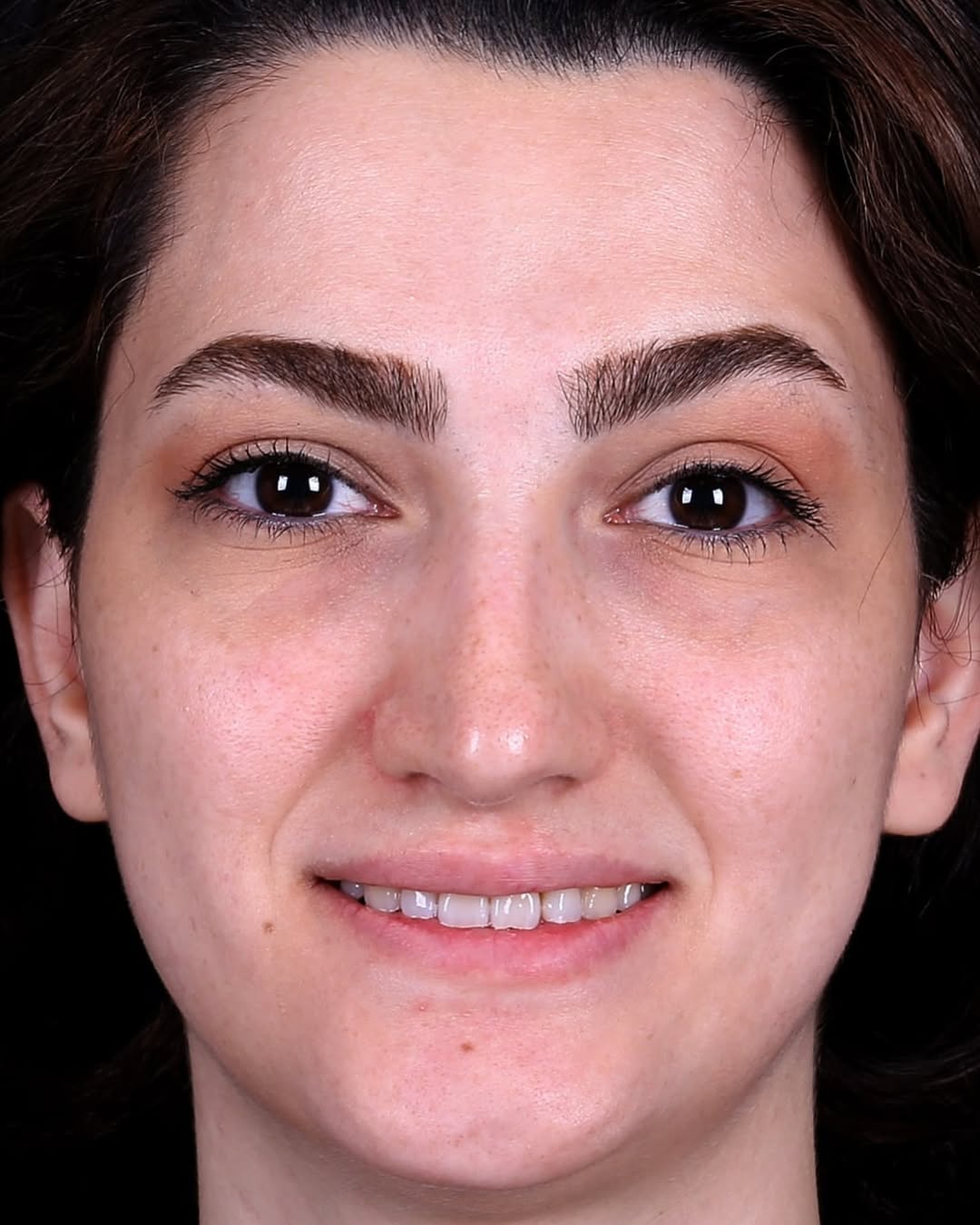

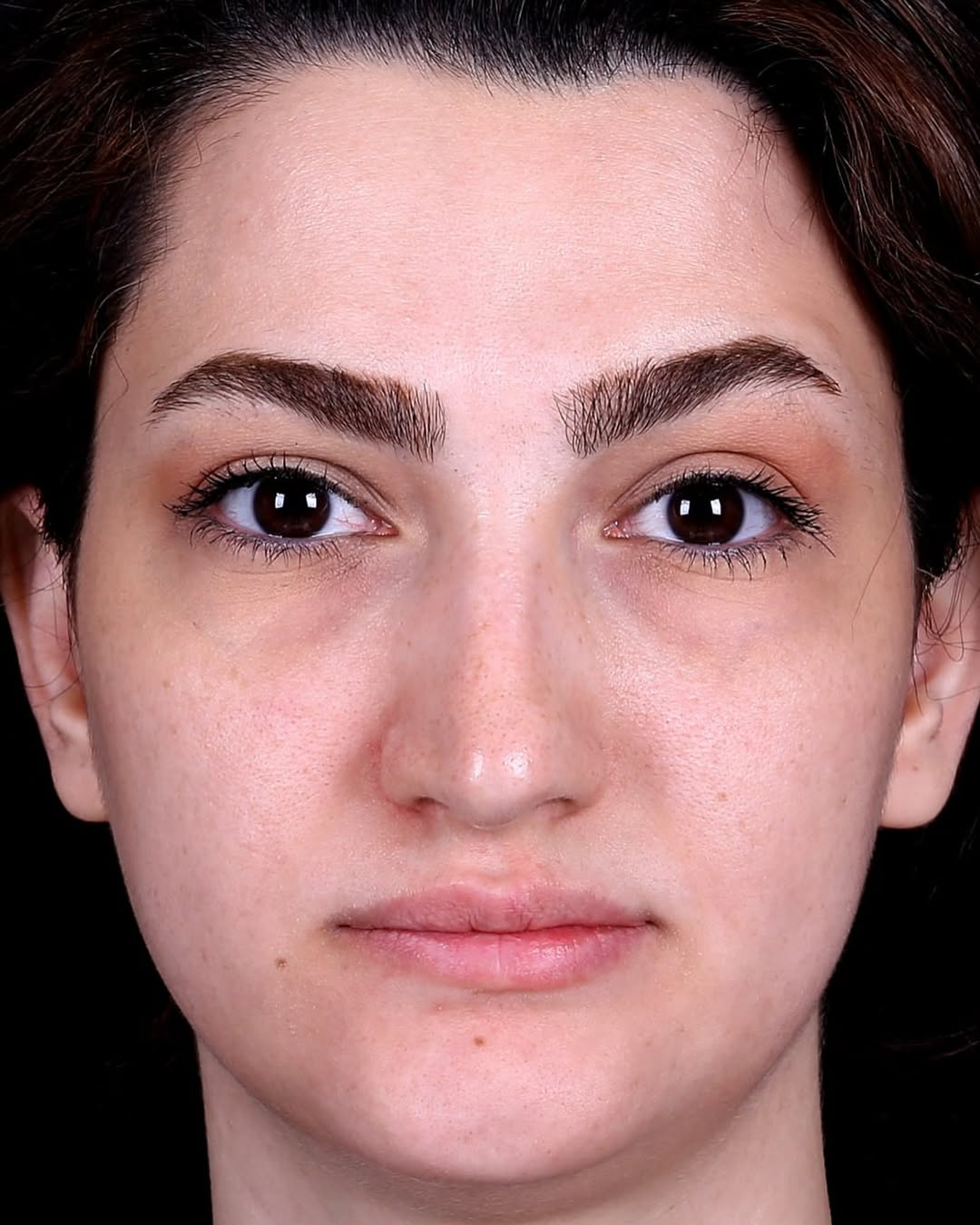

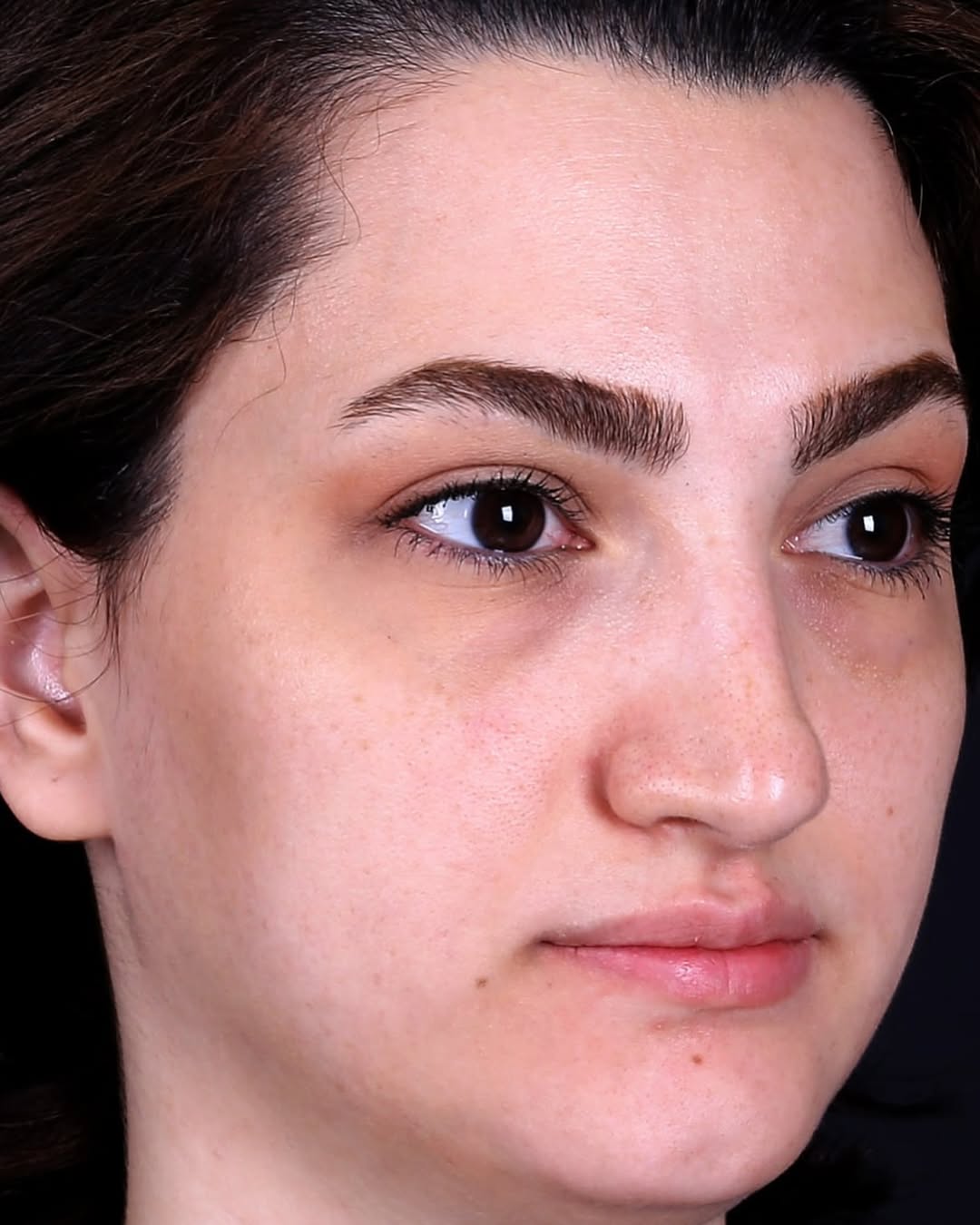

Detailed Procedure Information
Overview and Purpose
This surgical intervention can:
- Refine the nose’s size, contour, and angle
- Improve facial harmony and balance
- Correct nasal obstructions to enhance breathing
- Boost self-esteem by creating a nose that complements your features


Important Considerations Before Surgery
Before proceeding with nose surgery, consider these factors and consult thoroughly with your plastic surgeon to tailor the approach to your individual needs:
- Be in good overall health without conditions that impair healing.
- Ensure facial growth is complete; typically recommended to be 17 years or older for predictable outcomes.
- Plan on a recovery period requiring up to two weeks off from work or school.
- Potential for minor scarring at the nasal base, especially with open techniques.
- Understand risks including skin changes or the need for future revisions.
- Realize that results will complement your unique facial characteristics and may not replicate an ideal or model nose.
- Be prepared for an adjustment period adapting to your new appearance.
Selecting a Surgeon
Choosing the Right Specialist
Selecting a highly qualified and experienced aesthetic plastic surgeon is crucial for achieving safe and satisfying nose surgery results. Key factors to consider include:
- Board certification and relevant specialized training in facial plastic surgery.
- Extensive hands-on experience specifically performing rhinoplasty procedures.
- Aesthetic sense aligning with your preferences; review before-and-after galleries.
- Comfort, communication skills, and responsiveness during consultations.
- Membership in reputable professional organizations such as The Aesthetic Society, which ensures adherence to rigorous standards.
What to Expect at Your Consultation
Your initial consultation is a vital step for discussing goals, evaluating candidacy, and formulating a personalized surgical plan. Typically this session includes:
- A thorough review of your medical history including previous surgeries, medications, and allergies.
- An examination of nasal structure, skin type, and breathing function.
- A discussion of what rhinoplasty can realistically achieve for your nose and face.
- Information on alternative or complementary procedures if appropriate.
Questions to Discuss with Your Surgeon
Engage actively in your consultation by asking important questions such as:
- Am I a good candidate for this type of nose surgery?
- Are my aesthetic goals achievable and realistic?
- Can you show examples of previous patients with similar concerns?
- What surgical approach and anesthesia options are best for me?
- How will incisions be made, and where will scars be located?
- What is the anticipated recovery timeline and post-op care?
- What complications or risks should I be aware of?
- What options exist if results require revision?
- What is the expected overall investment for this surgery?
Preparing for your Procedure
Preoperative Preparation
Careful preparation prior to rhinoplasty is essential to optimize safety and outcomes. Your surgeon will provide individualized instructions after evaluating your health status and medical history. General recommendations include:
- Cessation of smoking well before surgery to ensure enhanced tissue healing.
- Avoidance of medications and supplements that increase bleeding risk, such as aspirin, anti-inflammatories, and certain herbal products.
- Maintaining adequate hydration before and after the procedure.
- Arranging post-surgical transportation and at least one night of assistance at home.
What Happens on the Day of Surgery?
Your rhinoplasty may be performed in a hospital, surgical center, or accredited office-based suite. The procedure typically lasts between one and three hours, sometimes longer based on complexity. Key points for the day include:
- You will receive anesthesia tailored to your needs, commonly general anesthesia.
- Vital signs, including heart rate, blood pressure, and oxygen saturation, will be continuously monitored.
- The surgeon will execute the pre-discussed surgical plan carefully to reshape the nasal bones and cartilage.
- Protective splints will be placed on the outside of the nose to support healing, and internal nasal packing or supports may be positioned as necessary.
- Following surgery, you will be transferred to a recovery area for observation.
- Patients typically go home the same day, unless overnight monitoring is required.
Aftercare & Recovery
Recovery Timeline and Expectations
The usual recovery period for rhinoplasty spans about two weeks, although individual experiences vary. Following surgery, you will be given detailed aftercare instructions highlighting normal symptoms and warning signs to watch for. Important points include:
- It is common to experience mild nose bleeding within the first 24 hours.
- Swelling and bruising around the nose and eyes are typical and gradually improve over 10 to 14 days.
- Maintaining head elevation and limiting physical activity during the early days aids recovery.
- Keep the nasal splint intact as directed, typically for 7 to 10 days.
- Internal nasal packing is usually removed within the first week post-op.
- Pain is generally managed effectively with prescribed medication.
- Strenuous activities, bending, and lifting should be avoided until cleared by your surgeon, often about 3 weeks.
Recovery Beyond Two Weeks
- Residual swelling may persist subtly for several months, but usually becomes unnoticeable after the first month.
- Avoid direct sun exposure on your nose for a few months to prevent pigment changes and protect healing tissues.
- If nasal bones were adjusted, glasses or sunglasses should be supported properly to minimize pressure on the nasal framework during healing.
Results
Longevity of Nose Surgery Outcomes
The effects of rhinoplasty are lasting and generally permanent. Optimal results depend on having the surgery after nasal development has finalized, which is usually around age seventeen or later. Early surgery may result in changes over time as further growth occurs.
Postoperative Considerations
To sustain the best and safest results, it is imperative to follow your surgeon’s postoperative care instructions and attend all recommended follow-up appointments. Promptly report any concerns or unexpected changes to your medical team to address issues proactively.
Incisions and Scars
Surgical Incision Methods
Rhinoplasty can be performed via two principal incision techniques, each with advantages tailored to patient needs and surgical goals:
Open Rhinoplasty
This approach involves a small incision across the columella—the narrow strip of tissue separating the nostrils—combined with otherwise inconspicuous internal incisions. It offers enhanced visibility and access for comprehensive reshaping of the nasal architecture.

Open rhinoplasty enables precise modification of nasal bones and cartilage, including narrowing the nasal bridge by repositioning bone structures.
Internal (Endonasal) Rhinoplasty
Incisions are confined within the nasal cavities, leaving no external scars. This method minimizes dissection and promotes reduced swelling, making it ideal for select cases where less extensive modification is required.
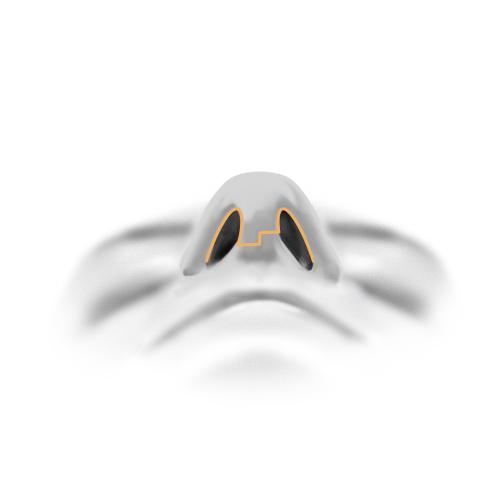
Though limited in exposure compared to the open method, internal rhinoplasty leaves no visible scarring and is favored when the desired changes are less complex.
Scar Visibility
Open rhinoplasty typically results in a tiny, well-concealed scar on the columella that fades substantially with time. Internal rhinoplasty leaves no external scars, as all incisions are hidden inside the nose.
Safety Considerations
Possible Risks and Complications
While rhinoplasty is generally safe when performed by qualified surgeons, it carries risks inherent to all surgical procedures. Discussing these potential complications candidly with your surgeon is a vital step in informed consent:
- Adverse reactions to anesthesia
- Accumulation of blood (hematoma) or fluid (seroma) under the skin, possibly requiring treatment
- Infection or postoperative bleeding
- Numbness or altered sensation around the nose
- Formation of scars or thickened tissue
- Allergic reactions to dressings or materials
- Damage to nasal structures
- Unsatisfactory aesthetic outcomes that may necessitate revision procedures
Rhinoplasty-Specific Issues
- Skin irritation or breakdown caused by bandages or graft materials, especially with thin skin or foreign implants
- Nasal airway obstruction from swelling or internal scarring
- Injury to the nasal septum, which divides the nostrils
- Visible columellar scar associated with the open technique
Adhering strictly to your surgeon’s pre- and postoperative instructions can minimize risks and enhance healing success.
Associated Costs
Understanding Rhinoplasty Expenses
The overall cost of nose surgery varies widely depending on surgeon expertise, geographic location, and complexity of the procedure. Your surgeon will provide an estimate for your individual case during your consultation.
Insurance and Financing
Because rhinoplasty is often considered an elective cosmetic procedure, many insurance plans do not cover it. However, if surgery aims to correct functional problems such as a deviated septum, partial or full insurance coverage may be available. Discuss insurance possibilities with your surgeon or insurance provider in advance.
Many clinics and surgeons offer financing plans or payment options designed to help make treatment more affordable.
Choosing Quality Over Cost
While cost is an important consideration, prioritizing a surgeon’s skill, training, and proven results ensures a safer procedure and a higher level of satisfaction with the outcome. Members of The Aesthetic Society adhere to stringent safety and ethical standards to provide exceptional care and results.