

Plastic Surgery After Weight Loss
Detailed Procedure Information
Plastic surgery following significant weight loss, often called post-bariatric or body contouring surgery, plays a crucial role in reshaping the body and removing excess skin that remains after massive weight reduction. These procedures are designed to improve body contours and address concerns related to loose or hanging skin, which dieting or exercise alone cannot correct.
Common Concerns That Plastic Surgery Can Address After Weight Loss
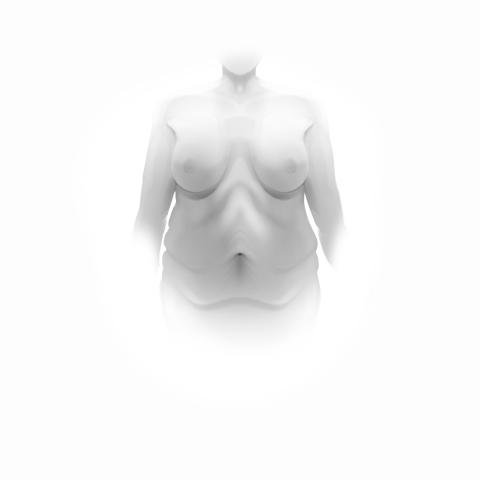
After substantial weight loss, many individuals are left with skin that has lost elasticity, resulting in sagging in various parts of the body such as the face, neck, breasts, arms, abdomen, back, and thighs. This excess skin can cause discomfort, skin irritation, difficulty in fitting clothes, and impact one’s self-confidence.
- Excess sagging skin removal
- Tightening and contouring of loose skin
- Alleviation of skin irritation including chafing, rashes, and infections due to overhanging skin
- Improved clothing fit and aesthetic appearance
- Enhanced self-esteem and comfort
Important Considerations Prior to Surgery
Before undergoing body contouring surgery after weight loss, several important factors should be assessed:
- Good overall health, free from uncontrolled chronic diseases such as diabetes or cardiovascular conditions.
- Weight stabilization for at least six months prior to surgery, usually two years after beginning weight loss efforts, to allow skin to contract naturally as much as possible.
- Balanced nutrition, paying special attention to adequate protein intake to facilitate optimal healing.
- Complete cessation of smoking and nicotine-containing products which impair wound healing and increase complication risks.
- Realistic expectations regarding achievable outcomes, including understanding that surgery will not restore skin or body shape to pre-weight gain condition.
- Awareness of permanent scarring and the likelihood of multiple staged procedures for comprehensive results.
- Postponement of surgery if pregnancy is planned to avoid compromising surgical results.
- Commitment to a recovery period lasting at least two weeks, which may be longer depending on procedure extent.
Selecting a Surgeon
Choosing a highly qualified and experienced surgeon is paramount to the success of plastic surgery following weight loss. Consider the following criteria when selecting your surgeon:
- Board certification in plastic surgery.
- Demonstrated expertise and extensive experience in body contouring after weight loss procedures.
- Availability of before and after photographs showcasing surgeries similar to your desired outcomes.
- Your comfort and confidence in the surgeon’s communication and approach.
- Membership in reputable professional organizations such as The Aesthetic Society, which signifies ongoing commitment to patient safety and excellence.
During your consultation, expect a comprehensive discussion outlining your aesthetic goals, an evaluation of your health and skin quality, and a tailored surgical plan. It is essential to provide your full medical history and discuss any concerns you may have. Good surgeons will provide clear explanations about risks, expected results, recovery process, and cost implications.
If you want to expand your search, you can also utilize resources like the surgeon locator or seek second opinions to ensure you make an informed decision.
Key Questions to Ask Your Plastic Surgeon
- Am I an appropriate candidate for post-weight loss body contouring?
- Which procedures would you recommend to best address my concerns?
- Can you show before and after examples of similar procedures?
- How many such surgeries have you performed?
- Where will the surgeries be performed, and how long will each take?
- What kind of anesthesia will be used?
- What will the recovery entail, and how long will it take?
- What potential risks and complications should I be aware of?
- What are my options if the outcome does not meet expectations?
Preparing for your Procedure
Proper preparation before surgery is important for a safe procedure and smooth recovery. Your surgeon will provide detailed instructions and assessments to ensure you are physically and mentally ready for surgery.
Typical Preoperative Instructions Include:
- Achieving and maintaining a stable weight — collaboration with your bariatric team may be necessary.
- Discontinuing smoking and nicotine products weeks before surgery to enhance healing.
- Avoiding medications and supplements that increase bleeding risks, such as aspirin and certain herbal remedies.
- Maintaining good hydration and a nutritious diet with a focus on protein-rich food to support healing.
- Limiting alcohol intake in the weeks before surgery.
- Preparing your home for recovery: arrange supplies, meals, comfortable clothing, and create an accessible resting area to reduce exertion post-surgery.
- Arranging reliable support to assist throughout the recovery, especially for caregiving responsibilities.
- Planning for transportation on the day of surgery and support for at least the first 24 hours postoperatively.
Whether your surgery is inpatient or outpatient depends on several factors, including the extent of procedures, your health status, and availability of caregivers.
On the Day of Surgery
- Surgery is generally performed in accredited hospitals, ambulatory surgery centers, or specialized surgical suites.
- The length of surgery varies widely depending on number and type of procedures planned.
- Anesthesia is typically general but local or intravenous sedation may be used in select cases.
- Continuous monitoring of vital signs including heart rate, blood pressure, oxygen levels, and more is employed during surgery for safety.
- Surgeons may modify the surgical plan intraoperatively to adapt to findings and ensure optimal results.
- Post-surgery, you will be monitored in a recovery room and provided with appropriate dressings, which may include drains.
- Instructions will be given on drain care if applicable, before discharge.
Aftercare & Recovery
Recovery time after plastic surgery following weight loss varies based on procedure complexity and individual healing response. Following surgeon guidance on aftercare and activity restrictions is critical for achieving the best possible result.
Typical Recovery Timeline and Care
- Initial discomfort and swelling are expected and may last weeks to months depending on procedure.
- Compression garments and surgical bandages are commonly worn to support healing and contouring.
- Drains, if placed, require regular care and monitoring.
- Assistance with daily tasks is necessary during the early days after surgery; heavy lifting and strenuous activity should be avoided for up to six weeks.
- Follow-up visits enable your surgeon to monitor healing, remove drains and sutures, and address any concerns.
- Proper sleeping positions and use of pillows as recommended help minimize tension on incisions and reduce discomfort.
When to Alert Your Surgeon
- Increasing pain, swelling, redness, or drainage from incisions
- Fever, dizziness, nausea, or vomiting
- Sudden chest pain, shortness of breath, or irregular heartbeat
Your surgeon will provide personalized instructions, and adherence to these is key to successful recovery.
Results
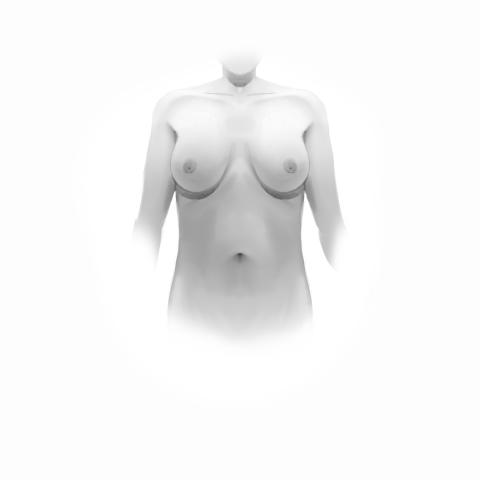
Plastic surgery after substantial weight loss delivers significant improvements in body shape, contour, and skin tightness, boosting patients’ confidence and comfort. Results can be very long-lasting when proper postoperative care and lifestyle maintenance are followed.
However, it is important to note that surgery cannot halt the natural aging process, and in cases where breast implants have been placed, implant replacement may be necessary over time.
Returning for regular postoperative assessments ensures early identification of any issues and retention of aesthetic benefits from the procedure.
Incisions and Scars
The nature and location of incisions depend on which procedures are performed to address your individual needs. Surgeons carefully plan incisions to optimize outcomes and conceal scars wherever possible.
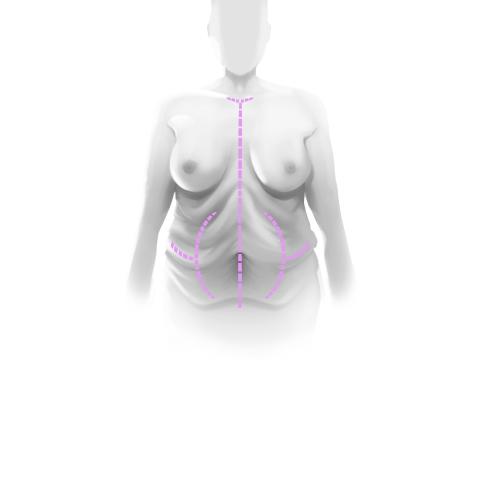
Types of Incisions for Common Procedures Include:
- Panniculectomy: A horizontal incision from hip to hip typically concealed in the lower abdominal or bikini area.
- Lower Body Lift (Belt Lipectomy): An incision encircling the lower torso, hidden within the bikini line, addressing abdomen, hips, buttocks, and thighs.
- Tummy Tuck (Abdominoplasty): Long horizontal incision just above the pubic area, resulting in a scar located within natural body creases.
- Breast Lift (Mastopexy): Varies widely; incisions may be around the areola, vertical, or anchor-shaped, often concealed in breast contours but sometimes visible on the breast surface.
- Upper Arm Lift (Brachioplasty): Usually on the inside or back of the arms, extending from armpit to above the elbow; mini-lifts use shorter incisions limited to the underarm.
- Thigh Lift (Thighplasty): Incisions may be in the groin fold (inner thigh), vertically down the inner thigh, or extending around the hip and buttocks for more extensive contouring.
- Liposuction: Very small incisions at targeted areas for precise fat removal.
Although scars are permanent, they tend to fade significantly over time and can often be concealed by clothing. Healing quality depends on surgical technique, patient health, and postoperative care.
Safety Considerations
Like any surgical intervention, body contouring after significant weight loss carries potential risks and complications. However, with skilled surgical care and adherence to pre- and postoperative instructions, these risks can be minimized and outcomes are generally very favorable.
General surgical risks include:
- Complications related to anesthesia
- Hematoma or seroma formation requiring potential drainage
- Infections, bleeding, and wound healing issues
- Altered sensation around the surgical sites
- Scarring and aesthetic concerns including asymmetry
- Allergic reactions to medications or materials used
- Damage to underlying tissues or structures
- Possibility of unsatisfactory results requiring revision surgery
It is vital to have an open dialogue with your board-certified aesthetic plastic surgeon regarding risks specific to your planned surgeries and your medical history. Following your surgeon’s comprehensive guidance diligently will further enhance your safety and surgical success.
Associated Costs
The financial investment required for plastic surgery after dramatic weight loss varies based on multiple factors such as the surgeon’s expertise, geographic location, types, and numbers of procedures performed. Discussing expected costs directly with your surgeon during consultation is essential to receiving accurate estimates tailored to your treatment plan.
Typically, combining several body contouring procedures into one surgical session may be more cost-effective than having separate surgeries, but this is balanced against the increased complexity and recovery time.
Because these procedures are generally elective, most health insurance plans do not cover them. Exceptions may exist for operations like panniculectomy or breast reduction when excess skin causes functional problems, so it is advisable to consult your insurance provider about coverage eligibility.
Many surgeons and clinics offer financing options to help make surgery more accessible. Ultimately, the decision on your surgeon should prioritize quality, experience, safety, and trustworthiness over cost considerations.