
Endoscopic Mid Face Lift
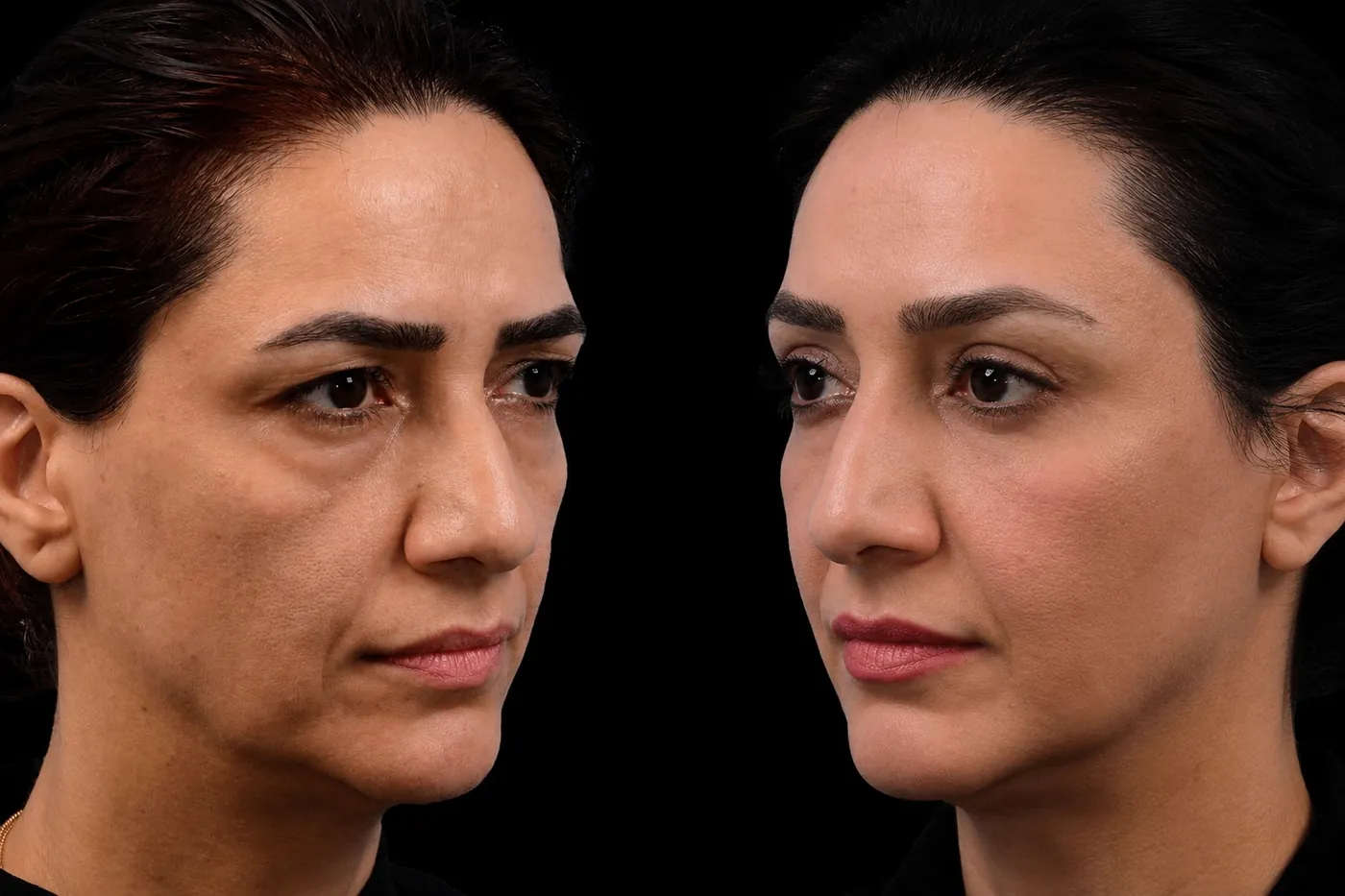
What Is an Endoscopic Mid Face Lift?
The midface is the area between the lower eyelids and the corners of the mouth. With age, the cheek fat pads and soft tissues slowly move down. This can flatten the cheeks, deepen the hollow under the eyes (tear trough), and make the lines from the nose to the mouth (nasolabial folds) more visible.
An endoscopic mid face lift lifts these tissues back up. The surgeon works through small incisions hidden in the hairline at the temples and, in some cases, inside the mouth, using a thin camera (endoscope) to see the deeper layers of the face.
Because the incisions are small and placed out of sight, the procedure avoids the long scars of a traditional open lift. The aim is a fresher, natural-looking face, not a pulled or changed appearance.
Who Is It For?
An endoscopic mid face lift may suit patients with:
- Cheeks that have dropped or flattened with age
- Hollowing between the lower eyelid and the cheek (tear trough)
- Deeper nasolabial folds caused by cheek descent
- A tired look in the midface while the jawline and neck are still firm
- Good general health and realistic expectations
A mid face lift does not treat loose skin of the lower face, jowls, or neck. Those concerns may need a deep plane facelift or neck lift, which can be combined with a mid face lift when appropriate.
How Is an Endoscopic Mid Face Lift Performed?
1. Consultation and assessment
Dr. Kamran Asadi assesses your facial anatomy, skin quality, and how much the midface has descended, and discusses your goals.
2. Anaesthesia
The procedure is performed under anaesthesia. The type is chosen for each patient during consultation.
3. Small, hidden incisions
Short incisions are made in the hairline at the temples and, when needed, inside the upper lip.
4. Lifting under camera view
Using the endoscope, the cheek soft tissues are released, lifted upward, and secured in their new position.
5. Closing and dressing
The incisions are closed. Because they sit in the hair or inside the mouth, the scars are usually not visible.
Combining It With Other Procedures
A mid face lift is often combined with other treatments for a balanced result:
- Endoscopic forehead and brow lift, to lift the brows and upper face through the same small incisions
- Lower eyelid surgery, to treat under-eye bags and loose lower-eyelid skin
- Fat transfer, to restore lost volume in the cheeks, temples, and under-eye hollows
- Deep plane facelift, when the lower face, jawline, and neck also need lifting
Recovery and Results
Swelling and bruising around the cheeks and eyes are expected after surgery and usually fade over the first two to three weeks.
The cheeks may feel tight or numb for a while. This usually settles over the following weeks to months.
Most patients return to light daily activities within about two weeks. Exercise and strenuous activity are resumed later, as your surgeon advises.
The result continues to settle over several months as swelling resolves. The face keeps ageing naturally, but the lift is long-lasting.
As with any surgery, risks include swelling, bruising, asymmetry, temporary nerve weakness or numbness, infection, and scarring. These are explained in detail at your consultation.
Endoscopic Mid Face Lift: Frequently Asked Questions
Will there be visible scars?
The incisions are small and placed in the hairline and, when used, inside the mouth, so they are usually not visible.
How is a mid face lift different from a facelift?
A mid face lift lifts the cheeks and the area under the eyes. A facelift treats the lower face, jawline, and neck. The two can be combined.
Can it improve under-eye hollows?
Lifting the cheek can soften the hollow between the lower eyelid and the cheek. Fat transfer may be added when extra volume is needed.
How long is the recovery?
Most visible swelling and bruising fades within two to three weeks. The final result takes several months to settle.
Am I a good candidate?
The best way to know is a consultation with Dr. Kamran Asadi, who will assess your face and explain which approach suits you.
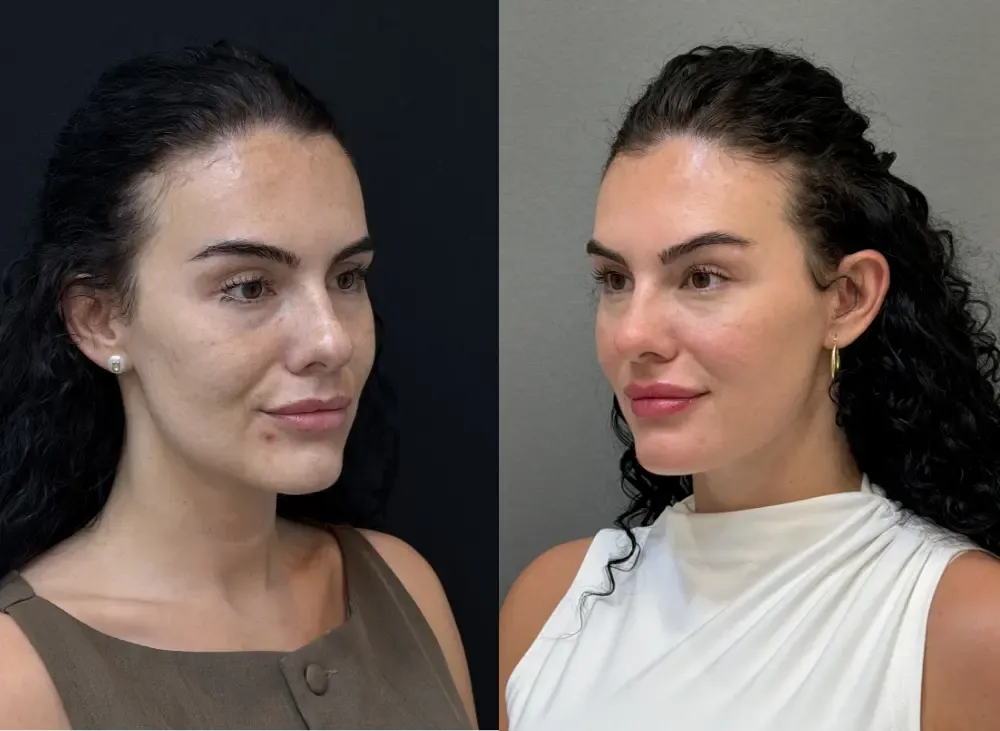
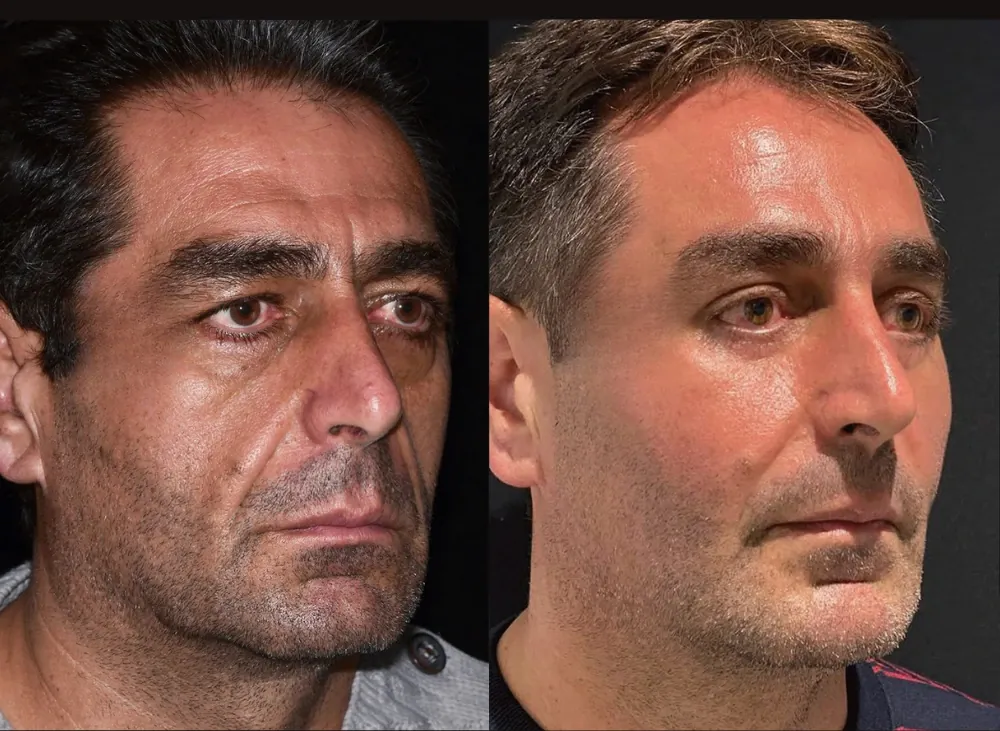
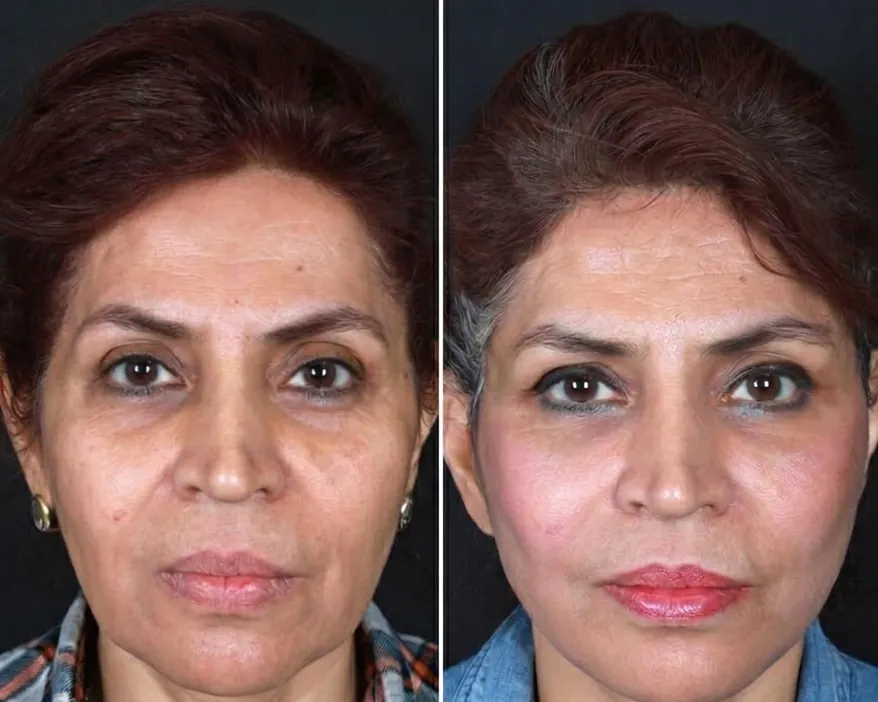
Make an appointment
Meet the doctor, have your skin assessed with ultrasound, and decide with a clear plan.
- Address
- 181A Al Wasl Road, Al Bada'a, Dubai
- Hours
- Tuesday to Sunday, 10:00AM to 7:00PM
- +971 52 699 3843